
Views: 0 Author: Site Editor Publish Time: 2025-11-28 Origin: Site


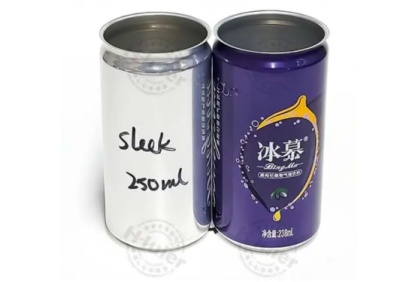
In today’s fast-moving beverage industry, packaging plays a defining role in product quality, sustainability, consumer experience, and brand perception. While many packaging formats have been introduced over the years—ranging from PET bottles to glass, cartons, and pouches—aluminum cans continue to lead the global market, especially for soft drinks, energy beverages, juices, teas, and even premium water brands. As sustainability and convenience become more important to consumers, aluminum cans are experiencing renewed demand and innovation.
Aluminum cans first gained prominence in the mid-20th century as a lightweight, durable replacement for steel cans and glass bottles. Over time, advances in metallurgy, manufacturing processes, and coating technology transformed them into one of the most optimized packaging formats in the world. Today, billions of aluminum cans are produced annually, and the packaging remains a favorite among beverage brands for its long shelf life, high recyclability, and economic efficiency.
The rise of ready-to-drink beverages—from sparkling water to cold brew coffee—has further strengthened the role of aluminum cans. Their ability to preserve carbonation and flavor stability gives them a performance advantage over many alternative materials, while their sleek, modern appearance appeals strongly to younger consumers.
One of the most compelling reasons aluminum cans dominate the marketplace is their near-infinite recyclability. Unlike plastics, which degrade in quality each time they are recycled, aluminum retains its structural integrity indefinitely. This means a recycled can could be turned into a new beverage can within as little as 60 days.
Key sustainability advantages include:
100% recyclability without material loss
High scrap value, making recycling economically viable
Lower carbon footprint during transport and manufacturing
Significant energy savings, as recycling aluminum uses only ~5% of the energy required to produce new aluminum
For beverage companies aiming to meet global sustainability commitments, aluminum cans offer one of the most environmentally responsible packaging solutions available today.
Aluminum cans provide exceptional protection for beverages because they are:
Opaque, preventing UV light exposure that can degrade flavor
Airtight, preserving carbonation and freshness
Non-reactive when coated with food-grade liners
Durable, reducing breakage during shipping and storage
In particular, drinks like beer, sparkling water, and energy beverages benefit from aluminum’s ability to preserve carbonation and maintain consistent flavor. Light-sensitive beverages—such as fruit juices, teas, and certain health drinks—also remain stable for longer in aluminum packaging compared with transparent plastics or glass.
Transportation is a major cost factor in beverage production. Aluminum cans are considerably lighter than glass bottles and take up less space when palletized. This means:
More units can be shipped at once
Lower fuel consumption
Lower transportation costs
Reduced environmental impact
These advantages are critical for beverage brands distributing products nationally or internationally.
Aluminum cans are widely appreciated for their consumer convenience:
Quick to chill
Easy to carry
Single-use, portable format
No risk of breakage
Ideal for outdoor events, travel, and sports
Modern consumers—especially younger demographics—prefer portable, ready-to-drink formats. Cans meet this need perfectly while also supporting branding through high-resolution, 360-degree printing.
A beverage can is not merely a container—it’s a powerful visual marketing tool. Aluminum cans support various printing technologies, including:
Offset printing
Digital printing
Specialty coatings
Embossing and debossing
Matte and gloss finishes
Thermochromic inks (color changes with temperature)
This flexibility allows brands to design packaging that stands out on shelves and communicates identity instantly.
Most beverage cans are produced using a two-piece drawing-and-ironing process. This format includes:
A seamless body
A separate can end (lid)
These cans are ideal for carbonated drinks due to their excellent strength-to-weight ratio.
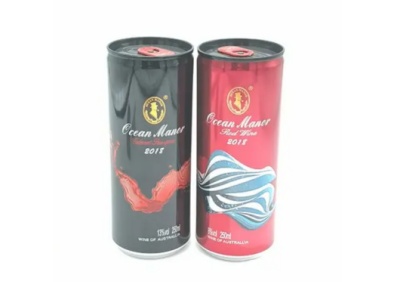
Slim cans are increasingly used for:
Energy drinks
Sparkling beverages
Nutritional drinks
Premium water
Their stylish profile differentiates products and appeals to health-conscious consumers.
Aluminum bottles combine the durability of cans with the re-sealability of bottles. They are suitable for beverages like:
Cold brew coffee
Wine
Functional drinks
Sports beverages
Their premium feel makes them attractive to upscale brands.
Feature | Aluminum Cans | PET Bottles |
Recyclability | 100%, infinite | Limited cycles |
Light protection | Excellent | Poor |
Carbonation retention | Superior | Moderate |
Branding | Full-body printing | Label-dependent |
Environmental perception | Very positive | Often negative |
Aluminum clearly outperforms PET in sustainability and product protection, though PET remains popular for low-cost, non-carbonated drinks.
Feature | Aluminum Cans | Glass Bottles |
Weight | Very light | Heavy |
Breakage risk | None | High |
Transportation cost | Low | High |
Shelf appeal | Modern | Premium/traditional |
Recyclability | High | High |
Glass offers premium aesthetics but is becoming less practical for large-scale beverage distribution due to weight and fragility.
Cartons and flexible pouches are cost-effective but lack the durability, recyclability, and protective performance of aluminum cans.
Energy drink brands pioneered the use of slim aluminum cans, establishing them as the “standard look” for high-energy, performance-focused beverages. The lightweight, modern appearance aligns with the lifestyle image these brands promote.
RTD coffee and tea beverages require protection from oxygen and light to maintain freshness. Aluminum cans provide a highly stable environment, which has encouraged major brands to shift from PET bottles to cans.
Beyond beer, canned cocktails, wine spritzers, and hard seltzers are growing rapidly. Aluminum cans are ideal for these products because they:
Chill quickly
Port easily
Offer safe use in public spaces
Provide a longer shelf life
The craft beer industry, in particular, has embraced aluminum due to its recyclability and branding surface.
High-end water brands have begun introducing aluminum cans and bottles to appeal to environmentally conscious consumers who seek a plastic-free alternative.
Producing aluminum cans involves several stages:
High-quality aluminum sheets are rolled to precise thicknesses.
Circular blanks are stamped into shallow cups.
The cups are drawn multiple times to form tall, thin-walled can bodies.
The tops are trimmed to uniform height.
Cans are thoroughly cleaned and coated internally with food-grade linings to prevent interaction with beverage contents.
High-speed printing lines apply artwork and logos around the entire can surface.
The top of the can is narrowed to accept a can end.
Cans undergo pressure testing, leak detection, and visual inspection.
This highly automated process ensures consistency, hygiene, and efficiency at massive production volumes.
Global beverage companies are setting ambitious environmental goals. Aluminum cans help them achieve targets such as:
Reducing plastic waste
Increasing recycled content in packaging
Lowering greenhouse gas emissions
Supporting circular economy principles
Many countries and regions have implemented deposit-return schemes (DRS) that significantly increase aluminum recycling rates. These programs reinforce consumer habits and close the loop on material recovery.
Despite their advantages, aluminum cans come with certain considerations:
Improper lining or damage to the interior coating can cause slight off-flavors. However, modern coating technologies have nearly eliminated this issue.
The cost of aluminum can fluctuate depending on global commodity markets. Brands must manage long-term contracts to stabilize supply and pricing.
While recycled aluminum requires little energy, producing fully new aluminum (primary aluminum) is energy-intensive. This makes recycling especially vital.
The future of beverage packaging is increasingly shaped by sustainability, technology, and consumer preferences. Aluminum cans are well-positioned due to their environmental strengths and versatility. Future developments may include:
Higher recycled content in can production
Advanced inks and coatings for better shelf stability
Smart packaging, such as QR-coded cans for traceability
Lightweighting innovations to reduce material usage
Expanded use in emerging beverage categories, including plant-based drinks and health elixirs
As global awareness of environmental issues grows, aluminum cans are expected to remain a leading choice in beverage packaging for decades.
Aluminum cans have proven themselves as one of the most reliable, sustainable, and consumer-friendly solutions in beverage packaging. Their unmatched recyclability, excellent product protection, and branding flexibility make them essential to the modern beverage landscape. Whether for carbonated drinks, energy beverages, functional drinks, RTD teas, coffee, or premium water, aluminum cans deliver the performance and environmental benefits that today’s market demands.
For businesses seeking high-quality aluminum can products or exploring customized beverage packaging solutions, Hainan Hiuier Industrial Co., LTD. offers professional manufacturing capabilities and reliable supply support. To learn more—or to discuss how their products can meet your packaging needs—you can visit their company website or reach out for further information.


