Views: 0 Author: Site Editor Publish Time: 2025-11-25 Origin: Site



In recent years, aluminum cans have surged in popularity as a preferred packaging solution for beverages, including the increasingly trendy kombucha market. Their combination of sustainability, durability, and versatility makes them an ideal choice for brewers and consumers alike
Aluminum cans have a long history in beverage packaging, initially dominating the soft drink and beer markets. Over the past decade, a growing awareness of environmental concerns and consumer demand for convenience has fueled a resurgence in can usage. Aluminum offers several key benefits:
Recyclability: Aluminum is one of the most recyclable materials globally. It can be recycled repeatedly without losing quality, making it an environmentally responsible choice.
Lightweight and Durable: Aluminum cans are light, reducing shipping costs and carbon emissions. Their rigid structure also protects beverages from damage during transport.
Extended Shelf Life: Aluminum is an excellent barrier against light, air, and moisture. This helps maintain beverage flavor, aroma, and quality over time.
For brewers of fermented beverages like kombucha, these characteristics are especially critical, as they help preserve the delicate balance of probiotics and flavor.
Kombucha is a fermented tea beverage renowned for its health benefits, including probiotics, antioxidants, and natural effervescence. Traditionally bottled in glass, kombucha is now increasingly being packaged in aluminum cans to meet modern consumption trends. Kombucha cans combine the functional benefits of aluminum with a contemporary, convenient format.
Portability: Aluminum cans are lightweight and easy to carry, making them ideal for on-the-go lifestyles.
Flavor Preservation: Unlike clear or green glass bottles, cans protect kombucha from light, which can degrade flavor and probiotic content.
Stackable and Space-Efficient: Cans are uniform and stackable, simplifying storage and display in retail settings.
Tamper-Resistant: Cans are sealed airtight, preventing contamination and maintaining the beverage’s natural effervescence.
Kombucha cans also offer extensive opportunities for branding. With high-quality printing technologies, cans can feature vibrant graphics, product information, and QR codes for marketing or consumer engagement. This helps new kombucha brands stand out on crowded shelves and build a recognizable identity.
One of the strongest appeals of aluminum cans is their remarkable eco-friendliness. As environmental awareness continues to rise, both consumers and businesses are actively seeking products that minimize waste and reduce their carbon footprint. In this context, aluminum cans stand out as a highly sustainable packaging option for beverages like kombucha.
Aluminum is among the most recyclable materials globally. Unlike many plastics that degrade in quality with each recycling cycle, aluminum can be recycled infinitely without losing its structural integrity or performance. The recycling process is also remarkably energy-efficient. In fact, recycling aluminum requires up to 95% less energy than producing new aluminum from raw bauxite ore. This translates into a significant reduction in greenhouse gas emissions and energy consumption.
For beverage producers, this presents an opportunity to position their products as environmentally responsible. When consumers see that a kombucha can is made from recycled aluminum, it reinforces a brand’s commitment to sustainability—a factor that increasingly influences purchasing decisions, especially among eco-conscious millennials and Gen Z consumers.
The lightweight nature of aluminum cans contributes further to environmental sustainability. Compared to glass bottles, which are significantly heavier, aluminum cans reduce shipping and transportation energy costs. Lower transport weight directly translates into reduced carbon emissions throughout the supply chain—from manufacturing to distribution and delivery.
Moreover, aluminum cans are less likely to break during transit, which minimizes product loss and packaging waste. This reliability further reduces the overall environmental impact associated with damaged shipments.
One of aluminum’s most compelling advantages is its infinite recyclability. While plastic bottles often end up in landfills or oceans due to low recycling rates and material degradation, aluminum retains its quality regardless of how many times it is recycled. Every can that is returned to the recycling stream can be transformed into a new can in as little as 60 days, creating a closed-loop system that is both environmentally responsible and economically viable.
For kombucha producers, switching to aluminum cans allows them to embrace sustainability at multiple levels: reducing resource consumption, cutting emissions, and promoting a circular economy. Many brands have leveraged this advantage in marketing, highlighting recyclable packaging as part of their eco-conscious brand identity.
While aluminum cans offer numerous advantages, proper production and handling are critical to maintaining the quality and integrity of kombucha. Since kombucha is naturally carbonated through fermentation, it generates internal pressure that the packaging must withstand. Aluminum cans, when properly manufactured and sealed, can easily accommodate this carbonation without deforming or leaking.
Kombucha cans are available in a variety of standard sizes, typically ranging from 250 ml (8.4 oz) to 500 ml (16.9 oz). Smaller cans are ideal for single servings, convenient for on-the-go consumption, while larger cans cater to sharing or multiple servings. The choice of can size depends on consumer preferences, market trends, and intended distribution channels.
The quality of the can seam is crucial for preserving carbonation and preventing leaks. Modern seaming technology ensures airtight closure, allowing kombucha to maintain its natural effervescence and flavor profile for weeks or even months. A well-seamed can not only enhances product quality but also builds consumer trust by ensuring that the beverage is fresh and safe to drink.
Due to kombucha’s naturally acidic nature, many aluminum cans feature an internal protective lining to prevent reactions between the metal and the beverage. This coating preserves flavor, aroma, and carbonation while preventing metallic aftertastes or corrosion inside the can. Selecting cans with high-quality coatings is especially important for premium kombucha brands that emphasize taste consistency and product integrity.
By carefully considering these production factors, kombucha producers can ensure that their canned products meet the high expectations of today’s health-conscious and environmentally aware consumers.
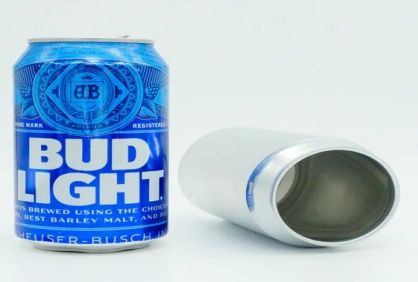
The global kombucha market is experiencing rapid growth, driven by increasing health awareness, interest in functional beverages, and the rising popularity of convenient, ready-to-drink products. Aluminum cans have emerged as the packaging format of choice in this evolving landscape for several compelling reasons.
Cans are lightweight, portable, and easy to chill. Consumers can enjoy kombucha at home, at work, or outdoors without worrying about breakage or heavy packaging. The portability factor is particularly appealing to active, on-the-go lifestyles, where convenience is as important as quality and taste.
Aluminum cans offer a sleek, modern appearance that aligns with premium branding strategies. Well-designed can graphics, vibrant colors, and matte or glossy finishes help brands stand out on crowded retail shelves. Unlike traditional glass bottles, which may appear bulky or old-fashioned, cans convey a contemporary, health-conscious image that resonates with younger consumers.
As urban lifestyles become increasingly fast-paced, ready-to-drink beverages like kombucha are being consumed outside the home more frequently. Aluminum cans are ideal for cafes, gyms, offices, and outdoor activities, providing consumers with a convenient way to enjoy their favorite fermented tea wherever they go. Multi-pack cans further enhance convenience for home consumption or sharing, encouraging repeat purchases and customer loyalty.
While glass and plastic bottles have traditionally been used for kombucha, aluminum cans provide distinct advantages that make them the preferred choice for modern beverage brands. The following comparison highlights these benefits:
Feature | Aluminum Cans | Glass Bottles | Plastic Bottles |
Weight | Lightweight | Heavy | Lightweight |
Durability | High | Fragile | Moderate |
Light Protection | Complete | Partial | Complete |
Recyclability | Infinite | High | Limited |
Stackability | Excellent | Moderate | Good |
Portability | Very Convenient | Less | Convenient |
This table illustrates why aluminum cans are becoming the go-to packaging solution. They balance sustainability, durability, and consumer convenience, which is critical in a competitive market where packaging often influences purchasing decisions as much as the beverage itself.
Overall, aluminum cans offer an unmatched combination of environmental responsibility, portability, and premium presentation, making them particularly suited to kombucha and other functional beverages. By adopting aluminum cans, producers not only protect their product but also align with the expectations of today’s conscious consumers, supporting long-term brand growth and sustainability goals.
As the beverage industry evolves, aluminum cans are poised to dominate the kombucha market. Advances in printing, sealing technology, and sustainable sourcing allow producers to meet both functional and aesthetic needs. With growing consumer awareness of environmental impact and demand for convenient packaging, the adoption of aluminum cans is expected to increase further.
Innovations such as eco-friendly inks, BPA-free linings, and ergonomic designs continue to enhance the appeal of kombucha cans. This makes them a versatile and forward-looking packaging solution for health-oriented beverage brands.
Aluminum cans offer a perfect blend of sustainability, durability, and convenience for kombucha producers and consumers. Their protective properties, ease of use, and environmental benefits make them an ideal choice for modern beverage packaging. As the kombucha market expands, cans will continue to play a central role in delivering quality, flavorful, and eco-friendly products to consumers worldwide.
For kombucha brewers and beverage brands looking for high-quality aluminum cans, Hainan Hiuier Industrial Co., LTD. provides reliable solutions tailored to your needs. Explore their offerings to find customizable, durable, and environmentally responsible cans that can elevate your product and brand.