Views: 0 Author: Site Editor Publish Time: 2025-11-20 Origin: Site


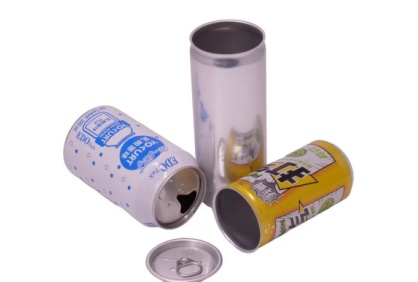
Aluminum cans have been a dominant packaging choice in the beverage sector for decades, and their popularity continues to grow as technology, consumer preferences, and sustainability standards evolve. Among the many applications of aluminum packaging, beer cans represent one of the most significant and influential market segments. Today, aluminum cans are more than just containers—they are part of a larger system that encompasses sustainability, supply chain efficiency, branding, health safety, and consumer experience.
Aluminum cans are widely used for soft drinks, energy drinks, sparkling water, juices, and most prominently—beer. Their popularity grew rapidly in the mid-20th century as they replaced steel cans and glass bottles due to their lightweight structure, corrosion resistance, and cost-effective production.
In recent years, craft breweries have embraced aluminum beer cans over glass bottles. This shift is driven by several important advantages:
Better product protection from sunlight
More eco-friendly packaging options
Lower transportation costs
Faster chilling times
Enhanced marketing through full-surface printing
Craft beer canning machines are now more accessible than ever, enabling even small breweries to package beverages efficiently.
Modern consumers demand:
Products aligned with sustainability values
Safer and cleaner packaging materials
Convenient, lightweight packaging
Convenient recycling
At-home drinking options
Aluminum cans fulfill all these expectations, making them an ideal choice for beer and other beverages
Aluminum is one of the most versatile and widely used materials in the beverage packaging industry. Its unique combination of physical and chemical properties makes it particularly well-suited for containing drinks like beer, soft drinks, and energy beverages. Brewers and beverage manufacturers increasingly rely on aluminum cans because they provide an ideal balance of durability, functionality, and sustainability.
One of the most obvious advantages of aluminum cans is their lightweight construction. A standard 12-ounce beer can weighs approximately 14 grams, which is significantly less than an equivalent glass bottle. This reduced weight not only lowers transportation and shipping costs, but also decreases the overall carbon footprint associated with moving products from breweries to retailers or consumers.
In addition to being light, aluminum cans are also highly durable and impact-resistant. Unlike glass bottles that can shatter during handling or transit, aluminum cans can withstand drops, stacking pressure, and rough handling without compromising the contents. This makes them ideal for outdoor activities, festivals, sporting events, and other situations where beverages may be transported or handled roughly.
The combination of light weight and high durability contributes to overall efficiency for breweries. Packaging materials, storage, and logistics all become easier and safer to manage, making aluminum cans an attractive choice for both large-scale manufacturers and small craft breweries.
Beer is sensitive to external environmental factors, such as light exposure, oxygen infiltration, and temperature variations. These factors can compromise the flavor, aroma, and overall quality of the beverage. Aluminum cans act as a complete barrier against light, preventing the formation of off-flavors often described as “skunky” in beer exposed to sunlight.
The airtight seal of aluminum cans also minimizes oxygen ingress, which helps maintain carbonation, preserve freshness, and extend shelf life. Temperature fluctuations affect all beverage containers, but the reflective surface and insulating properties of aluminum can moderate rapid heat changes, keeping beer at a more stable temperature during storage and transportation.
Modern aluminum cans are equipped with internal protective linings, often epoxy-based or BPA-free alternatives, to prevent direct contact between the beer and the aluminum surface. These linings prevent potential reactions between the can material and the acidic components of beer, which could otherwise lead to flavor deterioration or chemical contamination.
The result is a safe, stable, and high-quality beverage container that maintains the intended taste profile of the product. These protective measures, combined with aluminum’s inherent resistance to corrosion, ensure that the beverage remains fresh and safe for consumption from production to the consumer’s hands.
In summary, aluminum cans offer an exceptional combination of light weight, strength, protective properties, and durability. These characteristics not only enhance the logistics and safety of beverage packaging but also ensure that beer and other drinks reach consumers in optimal condition, maintaining flavor, freshness, and overall quality.
Understanding the production process helps explain why aluminum cans are efficient and cost-effective.
Aluminum ingots are rolled into thin sheets, which are then cut into small disks. These disks undergo a deep-drawing process that forms the cylindrical can body.
A technique called “wall ironing” thins and extends the walls of the can while maintaining strength. This forms the classic shape seen in beer cans: thin, smooth walls with a uniform thickness.
The top is trimmed to ensure perfect alignment, and the inside is coated with a food-grade protective liner.
Aluminum’s smooth surface makes it ideal for high-resolution printing. Beer brands often take advantage of:
Full-wrap artwork
Matt or glossy finishes
Specialty inks or embossing
This turns beer cans into powerful marketing tools.
The can body is filled with beer, then sealed with the iconic pull-tab lid using precision machinery to ensure airtight closure.
One of the strongest arguments for using aluminum cans—especially for beer—is sustainability.
Aluminum is infinitely recyclable without losing quality. Recycled aluminum requires only about 5% of the energy needed to produce new aluminum from raw materials.
Most countries have established recycling systems for aluminum cans, making them the most widely recycled beverage packaging worldwide.
Because aluminum cans are lightweight, they reduce:
Fuel consumption during transportation
Storage costs
Packaging waste volume
Breweries aiming to adopt eco-friendly packaging find aluminum beer cans an easy transition.
The recycling process for aluminum cans is so efficient that a recycled can could return to a store shelf as a new can in as little as 60 days.
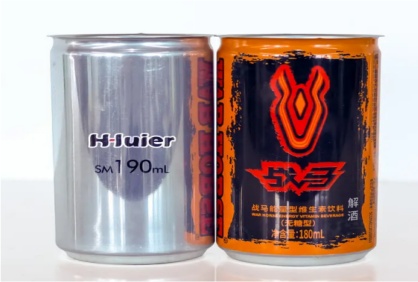
Choosing between aluminum beer cans and glass bottles is a critical decision for beverage brands. Both have advantages, but aluminum cans offer several major benefits.
Glass bottles—especially clear or green—allow UV light to enter, altering the beer’s flavor. Aluminum cans eliminate this risk completely.
Aluminum beer cans are:
Easier to carry
More resistant to breakage
Safer for outdoor events
More accepted in public venues that prohibit glass
While glass is recyclable, the energy required to recycle it is significantly higher than aluminum.
A beer can’s surface allows full 360° branding, giving designers more freedom in marketing.
Technological advancements are continually improving can design and performance.
Manufacturers now produce thinner, lighter cans without compromising durability. This reduces material usage and environmental impact.
Innovative lid designs now allow resealing after opening—ideal for larger beer cans.
New liner materials eliminate BPA concerns, support acidic beverages, and enhance shelf life.
Digital printing has opened new opportunities for:
Seasonal beer cans
Limited-edition designs
Personalized craft beer packaging
Aluminum packaging demand continues to rise, influenced by several key trends.
Craft breweries prefer aluminum cans because they:
Protect beer flavor
Are cost-effective for small batches
Offer strong branding potential
Cocktails, hard seltzers, and alcoholic sodas often use aluminum cans due to durability and portability.
Consumers increasingly prefer sustainable and lightweight packaging, pushing more brands to adopt aluminum cans.
Aluminum cans remain the preferred packaging for beer because they satisfy multiple business needs:
Lower production and shipping costs
High product protection
Growing consumer acceptance
Reliable supply and recycling networks
Versatile design and branding options
Long-term sustainability performance
These factors combined make aluminum beer cans one of the most future-proof packaging choices in the beverage industry.
From superior product protection to sustainability advantages, aluminum cans—especially beer cans—stand out as the most versatile and efficient packaging solution for the beverage sector. Their lightweight structure, excellent recyclability, strong barrier protection, and high branding value make them ideal for breweries of all sizes, from global brands to local craft breweries.
As demand for eco-friendly and high-performance packaging continues to grow, aluminum cans will remain at the forefront of innovation and market adoption.
If you are exploring reliable, high-quality aluminum beer cans or seeking a trusted supplier for your beverage packaging needs, you may consider learning more about Hainan Hiuier Industrial Co., LTD. Their expertise in aluminum can production makes them a strong partner for breweries, beverage manufacturers, and brand owners. For more details or professional assistance, feel free to contact the company through their official channels.