Views: 0 Author: Site Editor Publish Time: 2025-11-17 Origin: Site


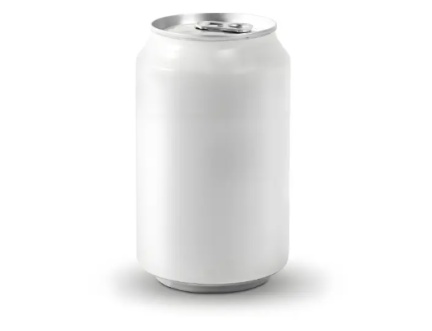
Aluminum cans are everywhere—from supermarket shelves to vending machines, convenience stores, airports, and sports arenas. Among the many beverage packaging formats available today, soda cans remain one of the most iconic and widely used. Their durability, lightweight properties, recyclability, and cost-effectiveness make aluminum cans essential in the global beverage supply chain. But what is it about this simple container that has allowed it to stand the test of time—and continue evolving with consumer expectations?
This article takes a deep dive into the science, engineering, sustainability, and economic advantages of aluminum cans, with special focus on how they support the soda industry. Whether you're a buyer, brand developer, sustainability enthusiast, or simply curious, you’ll gain valuable insights into why aluminum cans continue to lead the market.
The transition from glass to aluminum cans began in the mid-20th century, driven by several key needs: lighter weight, lower cost, easier transportation, and improved shelf appeal. Unlike glass bottles, which can easily break during transport, aluminum cans offered unmatched durability and convenience. As global soda consumption grew, manufacturers needed packaging that could withstand high-volume production and rapid shipping demands.
By the 1970s, soda cans had become mainstream in markets across North America, Europe, and Asia. Today, aluminum cans are used for not only sodas but also energy drinks, sparkling water, craft beer, tea, functional beverages, cocktails, and even ready-to-drink coffee.
Their adoption continues to grow due to improved manufacturing processes, better recycling systems, and consumer demand for more environmentally responsible packaging.
Aluminum’s dominance in beverage packaging, particularly for soda cans, is largely due to its exceptional combination of physical and chemical properties. Few other materials in the packaging world offer the same balance of strength, lightweight design, safety, and sustainability, making aluminum an industry favorite.
An empty aluminum can typically weighs only 13–15 grams, yet it can safely withstand internal pressures of up to 90 psi, which is crucial for holding carbonated beverages. This impressive strength-to-weight ratio brings multiple advantages:
Lower Shipping Costs: Reduced weight means more cans can be transported per shipment, decreasing logistics expenses.
Easier Handling: Lightweight cans are easier to stack, move, and load, improving efficiency for manufacturers and distributors.
Reduced Pallet Weight: Lighter pallets reduce strain on equipment and minimize transport risks.
Material Efficiency: Less raw material is needed per unit, reducing manufacturing costs and environmental impact.
When compared to glass bottles, aluminum offers a far more efficient solution for large-scale beverage distribution, both in terms of transportation and handling.
Soda cans are designed to maintain the integrity and taste of beverages. To achieve this, manufacturers apply a thin protective coating inside the can. This lining prevents the aluminum from reacting with the soda, ensuring:
No Metallic Taste: Consumers enjoy the intended flavor without interference from the packaging.
No Contamination: The lining acts as a barrier to prevent chemical reactions that could compromise product safety.
Long Shelf Life: Beverages remain fresh for longer periods, reducing waste and increasing marketability.
Additionally, the exterior of the can is coated to protect it from moisture, scratches, and environmental factors, maintaining its appearance and structural integrity throughout distribution and storage.
Aluminum has superior thermal properties compared to glass or plastic. Its high thermal conductivity allows soda cans to cool quickly, providing a satisfying cold beverage experience shortly after refrigeration. Aluminum also retains temperature longer than some alternatives, so drinks remain refreshing for extended periods. This property is particularly valuable for carbonated sodas and energy drinks, which are best consumed chilled.
Aluminum is highly malleable, allowing manufacturers to shape cans rapidly and precisely. High-speed production lines can create up to 2,000 cans per minute, ensuring consistency, uniformity, and efficiency. This capability supports global demand while keeping production costs manageable and waste minimal.
The combination of lightweight strength, safety, thermal efficiency, and manufacturing flexibility makes aluminum the ultimate material for soda cans—a solution that satisfies both consumer needs and industrial requirements.
The design of the soda can has evolved significantly. Today’s aluminum cans are engineered with precision, balancing aesthetics, ergonomics, and functionality.
The cylindrical shape is more than a visual standard; it serves multiple purposes:
withstands carbonation pressure
improves stacking efficiency
optimizes filling and sealing operations
reduces waste in material cutting
The pull-tab design is one of the most important innovations in aluminum-can history. Modern soda cans feature:
stay-on tabs that remain attached after opening for safety and environmental reasons
smooth edges to prevent cuts
precise opening size for optimal drinking flow
Aluminum cans provide a smooth, printable surface, allowing beverage brands to achieve:
high-resolution graphics
metallic or matte finishes
tactile textures
variable printing for limited editions or special promotions
This makes soda cans effective not just for packaging, but also for marketing.
One of the strongest advantages of aluminum cans is their recyclability. Aluminum is often considered the most sustainable beverage packaging material on the market.
Unlike plastics, which degrade during recycling, aluminum can be recycled infinitely without quality loss. A used soda can may become a new can in as little as 60 days.
In many regions, aluminum cans have the highest recycling rates among all beverage packaging options. For example:
Europe: 76–80%
North America: 50–60%
Some countries exceed 90%
High recycling rates reduce the demand for raw materials, lowering the overall environmental footprint.
Producing aluminum from recycled material requires up to 95% less energy than producing it from raw bauxite. This dramatically reduces greenhouse gas emissions across the supply chain.
Aluminum cans require less fuel during transportation, reducing the carbon footprint associated with:
deliveries to retailers
return transportation of empty cans
distribution across international markets
Among all single-use beverage containers, aluminum cans have one of the lowest life-cycle environmental impacts.
The production of aluminum cans is a high-precision, high-volume engineering feat. Though the entire process happens quickly, each step is carefully controlled to ensure safety, quality, and durability.
Aluminum ingots are heated and rolled into thin sheets. These sheets are then slit into strips used for stamping.
The body is formed using a process called drawing and wall ironing (DWI):
A circular disk is punched from the aluminum sheet
The disk is drawn into a shallow cup
The cup is stretched and thinned into its final cylindrical shape
This forms the characteristic seamless can body.
The inside is coated with a food-safe liner. The exterior is printed using high-speed multicolor printing systems.
Lids are stamped separately and equipped with stay-on tabs. The lid is attached during the final sealing process after the can is filled.
The filling stage requires precise pressure control to maintain carbonation levels. After filling, lids are sealed using a double-seaming process to ensure airtight closure.
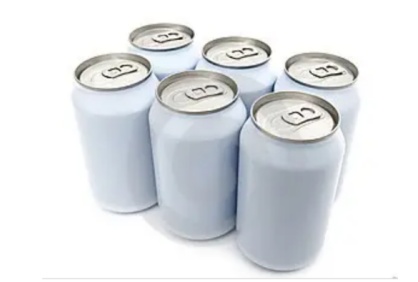
Though other packaging options exist—PET bottles, glass bottles, pouches—aluminum cans remain a favorite for soda brands. Here’s why:
Many consumers believe soda tastes better from a can due to:
faster cooling
better carbonation retention
no light exposure
Aluminum cans effectively contain the high pressure of carbonated sodas while preventing gas leakage.
Mass production reduces overall costs. Brands save money in:
material usage
logistics
storage
marketing flexibility
Because aluminum completely blocks light and oxygen, soda cans preserve flavor better than most alternative packaging types.
The aluminum can industry continues to innovate, driven by sustainability goals, market demand, and technological advancement.
Research is ongoing to reduce material use while maintaining strength, further lowering carbon footprints.
Brands are using digital printing for:
limited-edition designs
seasonal campaigns
personalized graphics
Eco-friendly inks are becoming more common, making recycling processes even more efficient.
Engineers are exploring resealable can technologies for on-the-go consumption.
From durability to recyclability, from cost efficiency to consumer appeal, aluminum cans—and especially soda cans—occupy a unique position in the beverage world. They offer unmatched advantages for manufacturers, retailers, and consumers while supporting global sustainability goals. As innovations continue, aluminum cans are expected to remain a core packaging solution for decades to come.
If you are looking for reliable, high-quality aluminum cans for beverage production or commercial use, you can explore more information from Hainan Hiuier Industrial Co., LTD. They offer a range of canning solutions suitable for soda, juice, beer, and other beverages, and can provide professional support without unnecessary complexity.