
Views: 0 Author: Site Editor Publish Time: 2026-09-28 Origin: Site


Beverage brands are rapidly shifting toward aluminum packaging across nearly every product category. This operational pivot makes perfect sense for modern distribution. Aluminum offers superior logistics efficiency, complete light protection, and infinite recyclability. It dramatically reduces freight weight compared to glass while appealing to eco-conscious consumers. However, scaling your production requires solving a critical business problem first. You must rigorously assess chemical compatibility, internal pressure requirements, and shelf-life stability before committing to high-volume canning runs.
Failing to understand liquid dynamics can lead to catastrophic leaks, swollen containers, or severe flavor degradation on retail shelves. We created this guide to explore exactly which liquids work best in metal packaging. It covers liquid compatibility nuances, mandatory interior liner requirements, and key procurement variables. You will learn how to match your formulation with the right structural specifications and supply chain realities. We aim to help you finalize your packaging decisions confidently, ensuring your product remains safe and delicious from the filling line to the consumer's hand.
Most carbonated, neutral, and mildly acidic liquids are suitable for aluminum cans, provided the correct interior liner (e.g., BPA-NI) is specified.
Highly acidic, high-chloride, or specific functional beverages require rigorous corrosivity testing to prevent liner degradation and pinhole leaks.
Choosing between custom printed aluminum cans and blank cans with shrink sleeves depends strictly on Minimum Order Quantities (MOQs), cash flow, and timeline flexibility.
Scale requires standardizing can sizes early to align with automated filling line capabilities and co-packer constraints.
The beverage landscape has evolved far beyond traditional colas. Today, a massive variety of liquids populate retail shelves in metal packaging. Understanding the physical demands of different drink categories helps you select the right structural specifications. The majority of beverages packaged in aluminum cans fall into a few distinct categories, each presenting unique engineering challenges.
Craft breweries and macro-producers alike rely on metal packaging as the industry standard. Aluminum provides absolute protection against ultraviolet (UV) light. UV exposure causes "skunking," a photochemical reaction where hop acids break down and bind with sulfur compounds. Dark glass only mitigates this issue, whereas aluminum stops it completely. Additionally, modern beer cans provide a hermetic seal. This tight double-seam closure retains dissolved oxygen (DO) at optimal, nearly zero levels. Low DO prevents premature oxidation, keeping delicate hop profiles and malt aromas fresh for months.
High-carbonation liquids require robust structural integrity. CSDs and functional beverages hold substantial volumes of dissolved carbon dioxide. This CO2 expands, creating significant outward internal pressure. When you examine standard containers or tall energy drink cans, you will notice an inverted dome at the bottom. This concave structural design evenly distributes high pounds per square inch (PSI) across the base. It prevents the thin metal walls from buckling or exploding under temperature fluctuations during transport. The internal pressure actually adds structural rigidity, allowing manufacturers to use incredibly thin, lightweight metal for the cylinder walls.
The ready-to-drink (RTD) cocktail and hard seltzer boom introduced new complexities to filling operations. These beverages combine varying alcohol by volume (ABV) levels with fruit juice extracts and organic acids. This combination creates an aggressive chemical environment. Citrus-based seltzers, for example, feature low pH levels. Alcohol acts as a solvent, which can interact unpredictably with standard polymer coatings. Brands filling RTDs must specify enhanced interior liners capable of withstanding both acidic bite and solvent properties. Failing to account for this combination often results in compromised flavor profiles before the product ever reaches its expiration date.
Non-carbonated beverages present a unique physical challenge. Without dissolved CO2, flat liquids cannot pressurize the container. A sealed, non-pressurized aluminum cylinder lacks vertical load strength. It would easily crush under the weight of stacked pallets in a warehouse. To solve this, filling facilities use liquid nitrogen (LN2) dosing systems. A tiny drop of liquid nitrogen falls into the beverage milliseconds before the lid is seamed. As the LN2 warms to room temperature, it rapidly expands into a gas. This expansion forcefully pressurizes the head-space. It gives still water, flat teas, and cold brew coffees the necessary rigidity for safe stacking and long-distance transport.
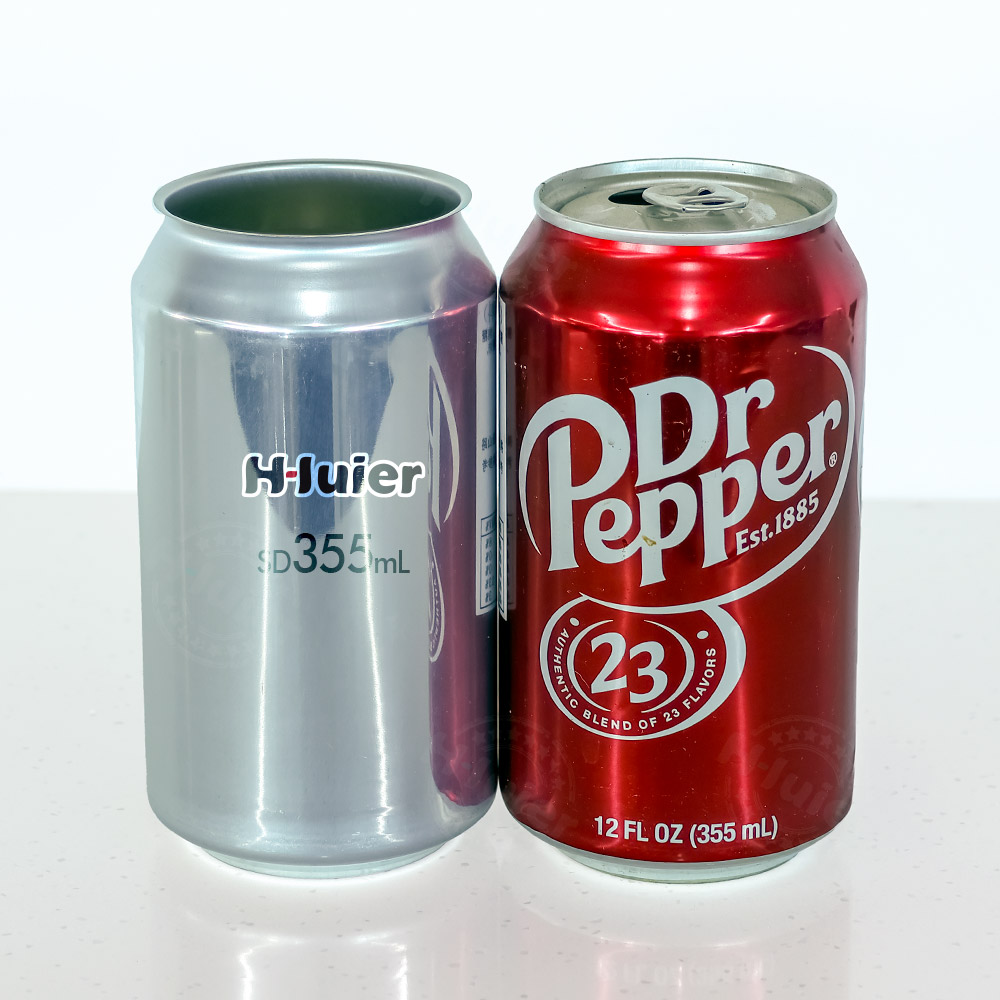
Many emerging brands mistakenly assume aluminum is entirely inert. In reality, bare aluminum reacts violently with most food and drink. Successful beverage can packaging relies heavily on advanced material science hidden inside the container. Understanding chemical thresholds prevents expensive recalls.
Beverages never actually touch raw metal. They touch a microscopic polymer coating sprayed onto the interior walls during manufacturing. Historically, manufacturers used epoxy resins containing BPA. Today, the industry has largely transitioned to BPA-NI (BPA Non-Intent) liners to meet consumer safety demands and global regulations. This spray coating acts as a barrier shield. It prevents the liquid from corroding the metal and stops the metal from imparting a tinny taste to the drink. Specifying the correct liner weight and chemistry is the most critical step in your packaging journey.
Certain ingredients attack polymer liners aggressively. High-acid juices with a pH below 3.0 pose a severe risk. Similarly, sports drinks containing high levels of chlorides (electrolytes) act as corrosive agents. Even specific natural metallic colorants found in functional extracts can degrade the barrier. When a liquid eats through the liner, two things happen. First, you experience flavor scalping, where the liner absorbs aromatic compounds, leaving the drink tasting flat. Second, the acid reaches the raw aluminum, quickly causing catastrophic pinhole leaks. A single pinhole leak ruins an entire case, creating mold issues and destroying retail relationships.
Microbial stability often requires heat treatment. However, standard metal packaging has strict temperature thresholds. Tunnel pasteurization involves running filled, sealed units through hot water sprays. Hot-fill processes involve pumping near-boiling liquid directly into the container. If temperatures exceed the manufacturer's specified limits, the internal pressure can warp the dome base, rendering the container un-stackable. Furthermore, excessive heat can melt or micro-fracture the BPA-NI liner. You must communicate your exact thermal processing parameters to your packaging supplier to ensure they apply a heat-resistant coating.
Never bypass stability testing. We recommend executing an industry-standard 90-to-180-day accelerated corrosivity test before mass production. Laboratories place filled samples into incubators set at elevated temperatures (typically 37°C or 98°F). This heat accelerates chemical reactions, allowing you to simulate 12 months of shelf life in just a few months. Technicians then cut the containers open to inspect the liner for blistering, discoloration, or micro-fractures. Skipping this step to rush to market is a dangerous gamble.
Designing a beautiful label is only one part of the puzzle. You must align your structural choices with external supply chain realities. Your selected format dictates which co-packers can work with you and how efficiently you can move inventory.
The market primarily utilizes three form factors: Standard, Sleek, and Slim. Standard formats (like the classic 12oz or 16oz) dominate the industry. Sleek formats offer a taller, narrower profile (often 12oz), popular for hard seltzers. Slim formats (like 8.4oz) dominate the energy sector. Standardizing early is vital. Most regional co-packers heavily favor Standard sizes because changing automated filling lines to accommodate Sleek or Slim formats requires expensive, time-consuming tooling changeovers. Furthermore, retail category managers expect specific formats. Putting a craft IPA in an 8.4oz Slim profile often confuses consumers and disrupts standard shelf-space logic.
The body is only half the package. You must match the cylinder neck to specific ends (lids). The most common end size for Standard formats is the 202 diameter. Many modern craft brands prefer 202 LOE (Large Opening Ends) to enhance aroma release during consumption. However, older filling lines might still run 200 or 206 ends. The seamer tooling at your chosen filling facility must align perfectly with your specified end diameter. A mismatch means the seamer cannot crimp the lid onto the body, bringing your production run to a dead halt.
Metal packaging offers unmatched logistics economics. Empty bodies arrive at the filling facility on massive, tiered pallets separated by thin plastic slip sheets. A single pallet can hold between 6,000 and 8,000 empty units, depending on the format height. This extreme pallet density drastically shrinks your warehouse footprint. Compared to glass bottles, empty aluminum reduces inbound freight shipments by up to 40%. Once filled, the lightweight nature of aluminum beverage cans allows you to pack more finished cases onto an outbound truck before hitting highway weight limits.
Procurement strategy often dictates a brand's financial health during the first two years of operation. You must choose how to apply your branding to the metal. Your decision relies entirely on your production scale, cash flow, and need for agility.
Direct printing applies ink straight onto the bare metal cylinder during the manufacturing process.
Pros: This method delivers a premium, seamless retail feel. It offers the absolute lowest per-unit cost at mass scale. Crucially, custom printed aluminum cans are 100% recyclable without any consumer intervention, making them highly appealing to sustainable retailers.
Cons: The barrier to entry is severe. Manufacturers demand extremely high Minimum Order Quantities (MOQs)—often one to two full truckloads per single SKU. They also require long lead times. Once printed, you have zero agility. If regulations change or you tweak your recipe, you must scrap the entire printed inventory.
Startups usually buy blank (brite) silver metal and apply secondary decorations at the filling stage.
Pros: This route offers incredibly low MOQs. You can print just a few thousand labels at a time. It is ideal for startups, seasonal flavor runs, or rapid recipe iterations. It preserves cash flow by preventing massive inventory lock-up.
Cons: You pay a higher per-unit cost due to the secondary application step. Shrink sleeves can wrinkle around the neck if the heat tunnel is not calibrated perfectly. Additionally, heavy plastic sleeves complicate the recycling stream unless you add vertical perforations and explicitly ask consumers to tear off the plastic before recycling.
Use the following logic matrix to evaluate when to transition your procurement strategy.
Sourcing Method | Typical MOQ | Agility / Flexibility | Upfront Capital Required | Best Suited For |
|---|---|---|---|---|
Pressure Sensitive Labels (PSL) | 1,000 - 5,000 units | Extremely High | Very Low | Initial market testing, local taprooms, micro-runs. |
Shrink Sleeved (Blank Cans) | 5,000 - 20,000 units | High | Low to Medium | Regional rollouts, seasonal SKUs, recipe development. |
Direct Custom Printed | 150,000+ units | Zero | High | Proven flagship products, national grocery distribution. |
Moving from the formulation phase to commercial manufacturing requires systematic data collection. Guesswork leads to costly supply chain bottlenecks. Follow this structured checklist to ensure a seamless procurement process.
Define Your Liquid Spec: Consolidate your physical data. Document the exact pH level, ABV percentage, targeted carbonation volumes, and pasteurization temperatures. Bundle these metrics into a formal brief for your manufacturer.
Verify Copacker Requirements: Interview your chosen filling facility before ordering packaging. Ensure they possess the specific seamer tooling for your lid type (e.g., 202 ends). Confirm they can handle your desired secondary packaging, such as automated PakTech ring applicators or enclosed cardboard cartons.
Requesting Samples & Liners: Contact manufacturers and request physical blank samples coated with your required BPA-NI liner. Fill these samples immediately in your lab to begin the 90-day stability testing. Do this months before your intended commercial launch date.
Successfully bringing a drink to market requires much more than a great recipe and an eye-catching label. It demands a rigorous understanding of material science and supply chain mechanics. You must view your packaging as an active engineering component, not just a vessel. We recommend standardizing your structural formats early to keep co-packing options open. Always match your internal liner strictly to your liquid's acidity and carbonation profile. Finally, initiate accelerated stability testing immediately. Consult with a specialized packaging engineer to validate your specifications, ensuring your product remains safe, compliant, and pristine from the factory to the fridge.
A: Yes, but it requires specialized heavy-weight polymer liners. Highly acidic juices (especially those with a pH under 3.0) can quickly corrode standard coatings. You must conduct rigorous accelerated shelf-life testing to ensure the enhanced liner prevents corrosion and pinhole leaks before mass production.
A: BPA-NI stands for BPA Non-Intent. It is the current global compliance standard for metal interior coatings. Manufacturers formulate these spray-on polymer liners without intentionally adding Bisphenol-A. Using BPA-NI is essentially mandatory today for widespread retail distribution and regulatory compliance.
A: Flat beverages lack the carbon dioxide needed to expand and support the thin metal walls. To fix this, packers use liquid nitrogen dosing. A tiny drop of nitrogen turns into gas after sealing. This safely pressurizes the internal space, giving the walls rigidity for stacking and transport.
A: It heavily depends on the specific liquid chemistry and the interior liner quality. However, a properly matched formulation and liner typically provide a stable shelf life ranging from 9 to 12 months before noticeable flavor degradation or liner breakdown occurs.


