
Views: 0 Author: Site Editor Publish Time: 2026-10-26 Origin: Site


A seemingly cheap per-can quote often masks expensive minimums, volatile freight terms, or incompatible can ends. Here is the skeptical buyer’s guide to auditing aluminum beverage packaging quotations. Beverage brands frequently evaluate supplier quotes based solely on the per-unit price. Unfortunately, they often face margin-eroding hidden expenses during production, freight, or filling. This narrow focus ignores critical supply chain variables. You need a normalized comparison framework to evaluate quotes apples-to-apples. This approach helps account for landed expenses, tooling fees, and spoilage allowances accurately. In this guide, you will learn how to dissect complex supplier proposals. We will uncover missing elements like lid pricing and index fluctuations. You will also discover how format choices and decoration methods dramatically shift your actual cash outlay. True supplier evaluation requires strict attention to the fine print.
The baseline custom aluminum cans cost is only 60-70% of your final landed expense; freight, ends (lids), and spoilage make up the rest.
Comparing a printed beverage can quote against a sleeved/labeled option requires factoring in Minimum Order Quantities (MOQs) and plate fees.
Format choices (e.g., standard vs. sleek aluminum can) dictate manufacturing line compatibility and freight density.
True supplier evaluation must include a risk assessment of their spoilage policies, liner compliance (e.g., BPANI), and lead-time guarantees.
You must break down the anatomy of a standard quote first. Core components usually include the raw aluminum index price plus a conversion fee. Suppliers base this index on the London Metal Exchange (LME) or Midwest Premium. The conversion fee covers the actual manufacturing process. Suppliers calculate their operational margins heavily within this conversion figure. Understanding this split helps you negotiate better long-term agreements. It also prevents you from overpaying when global metal markets dip.
Market fluctuations directly impact your contracts. Suppliers handle these changes through index pricing or fixed pricing. They either quote a locked price or a floating index. Floating indexes change monthly or quarterly based on LME trends. Locked pricing offers budget predictability. However, fixed prices often include risk premiums. You must identify which pricing model your quote uses. Compare index-linked quotes against historical LME averages. This ensures you model future price hikes accurately.
Buyers frequently overlook ends and lids. Cans and ends often appear as separate line items. Suppliers sometimes omit ends entirely to make quotes look artificially low. Different lid formats exist today. You might need CDL, B64, or SuperEnd profiles. Ensure Quote A and Quote B both include matching ends. A mismatched lid ruins seaming operations at the co-packer facility. Always demand a bundled price for a complete package.
You need a reliable evaluation framework. Calculate the fully loaded custom aluminum cans cost before making decisions. Use this standardized per-unit cost formula:
Add the base unit price for the can body.
Add the per-unit lid cost.
Add amortized setup fees (plates, proofs, tooling).
Add per-unit freight and dunnage costs.
Add the historical spoilage rate penalty.
Divide the total by your expected fill yield.
Direct printing carries hidden setup fees. Color plate fees and proofing costs add up quickly. Suppliers charge separately for each color plate. A standard printed beverage can looks cheaper per unit initially. However, high Minimum Order Quantities (MOQs) tie up your cash flow. You might need to buy hundreds of thousands of units at once. This capital lockup hurts emerging beverage brands significantly. You must calculate the cost of capital alongside the unit price.
Quotes vary based on your specific artwork. Color limitations dictate pricing tiers. A 6-color print costs less than an 8-color run. Suppliers apply steep surcharges for specialty finishes. Matte varnishes, tactile inks, and thermochromic features increase conversion fees. Always submit your exact artwork before accepting a final quote. Vague artwork assumptions lead to unexpected upcharges just before production begins.
Contrast direct printing quotes against sleeving operations. Blank "brite" cans offer immense flexibility. You apply shrink sleeves or pressure-sensitive labels locally. Calculate the crossover volume where direct printing becomes more cost-effective. Sleeving typically wins at volumes under 100,000 units. Direct printing dominates at higher scales. Evaluate your projected sales velocity realistically. Do not over-order printed cans just to hit a lower unit tier.
Implementation risk matters tremendously here. Large direct-print runs risk obsolete inventory. If you change ingredients or rebrand, those printed cans become useless scrap. Brite cans offer adaptable solutions. You simply print new sleeves for formulation changes. You must weigh the inventory risk against the per-unit savings. Sometimes paying slightly more for sleeved brite cans saves your business from massive write-offs later.
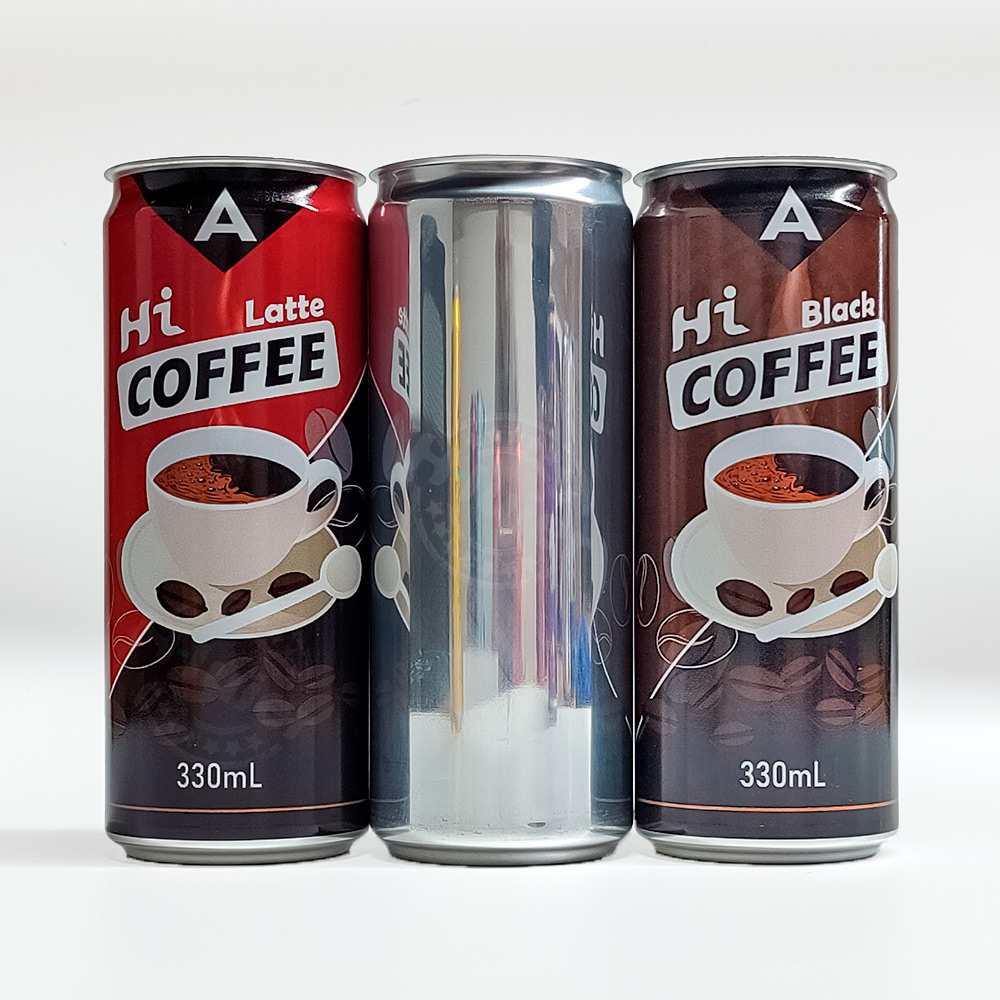
Non-standard sizes carry premium setup fees. Suppliers must adjust manufacturing lines for specific profiles. A 12oz or 330ml sleek aluminum can demands unique tooling. Slim variants face similar changeover penalties. Factories prefer running standard 12oz bodies continuously. They pass downtime costs onto you when switching to sleek molds. Verify if the quoted price includes these changeover fees. Ask suppliers to waive them for larger annual volume commitments.
Your format choice dictates freight density directly. Different can formats pack differently onto a shipping pallet. A standard can yields around 7,000 to 8,000 units per pallet. Sleek cans often push yields higher or lower depending on stacking height limits. This alters pallet yields significantly. Consequently, it impacts your per-unit freight expense. Always request the exact cans-per-pallet metric. Recalculate your shipping budget based on actual dimensional limits.
Co-packer compatibility remains a strict requirement. Advise your buyer to verify format specifications. The quoted can format must match your chosen co-packer's seamer chucks. Filling line tooling requires precise alignments. Sleek cans need specific neck diameters like 202 or 200. If your cans do not match the seamer, you face catastrophic delays. You will pay thousands to retool the filling line. Confirm technical drawings before signing purchase orders.
Incoterms dictate your financial exposure. EXW (Ex Works), FOB, and DDP quotes differ fundamentally. A cheaper EXW unit price is virtually useless. It means you absorb all volatile cross-country freight. You also handle insurance and transoceanic logistics. DDP (Delivered Duty Paid) places the risk on the supplier. Compare quotes only after normalizing the freight terms. Ocean freight rates fluctuate wildly. Protect your margins by requesting quotes landed at your facility door.
Incoterms Risk and Cost Distribution Chart
Incoterm | Supplier Responsibility | Buyer Responsibility | Hidden Cost Risk |
|---|---|---|---|
EXW (Ex Works) | Production only | Loading, Freight, Customs, Delivery | High (Buyer assumes all logistics risk) |
FOB (Free on Board) | Loading onto vessel at origin | Ocean Freight, Import Customs, Final Delivery | Medium (Subject to ocean freight volatility) |
DDP (Delivered Duty Paid) | All freight, duties, and final delivery | Unloading at destination | Low (Price is fully landed and predictable) |
Evaluate your dunnage and packaging materials. Suppliers ship cans on wooden or plastic pallets. They use tier sheets and top frames for stability. Are these materials included in the quote? Sometimes suppliers charge deposit fees. Other times these items remain non-returnable expenses. Plastic top frames cost considerable money. Clarify whether you must return them or pay for them outright. Account for return-freight costs if deposits apply.
Cross-border sourcing introduces tariff complexities. Remind your procurement team to calculate harmonized tariff schedule (HTS) impacts. Import duties erode unit savings quickly. A cheap quote from overseas might incur a 10% to 25% tariff penalty upon arrival. Consult a customs broker before finalizing international quotes. Factor these percentages into your normalized pricing model. Do not let customs surprises destroy your quarterly profitability.
Check the proposed warehousing terms carefully. Does the quote include 30 to 60 days of storage? Some suppliers demand you take immediate possession upon production. If you lack warehouse space, you must rent third-party logistics (3PL) storage. This adds secondary freight handling and monthly pallet fees. Negotiate staggered delivery schedules. Ask suppliers to hold inventory and release it in weekly truckloads. This protects your cash flow and storage capacity.
Partnering directly with an OEM aluminum can manufacturer fundamentally changes your cost structure. Pros include the absolute lowest per-unit price. You also gain direct quality control over the manufacturing run. Cons involve massive MOQs. OEMs usually demand million-unit minimums. They operate rigid scheduling windows. If you miss your production slot, you wait months. This route suits established brands pushing high-volume, continuous product lines globally.
Compare this against buying through a packaging distributor. Distributors purchase OEM stock and break it down. Pros include drastically lower MOQs. You can order mixed truckloads easily. They provide warehousing and flexible delivery schedules. Cons involve broker markups. You pay a premium for their logistical convenience. Calculate the markup penalty. Determine if the flexibility justifies the higher unit cost for your current growth stage.
Quality assurance and compliance dictate true value. Assess the supplier's liability policies extensively. Look for explicit clauses regarding liner compliance. Acidic or alcoholic beverages require BPA Non-Intent (BPANI) liners. Legacy epoxy liners degrade under high acidity, causing leaks. Verify the quote explicitly includes BPANI specification. Check the spoilage allowance terms. The industry standard spoilage rate hovers around 1% to 3%. Ensure the supplier credits you for defect rates exceeding this threshold.
The lowest initial quote rarely reflects the lowest final expenditure. You must peel back the layers of base prices, logistics, and tooling fees. Proper auditing protects your margins from unexpected line items. Treat every quote as a starting point for deeper structural negotiation.
Before you sign a master supply agreement, execute these next steps:
Request a "landed cost per thousand" (CPM) breakdown covering every variable.
Demand separate line items for lids, dunnage, and freight charges.
Establish written standard spoilage thresholds and credit procedures.
Confirm seamer tooling compatibility with your specific co-packer facility.
A: Standard Minimum Order Quantities depend heavily on the sourcing model. Direct OEM minimums typically start around one full truckload (roughly 150,000 to 200,000 units) per design. Brokers and distributors often lower these minimums to half a truckload or less by absorbing inventory risk. Extremely large manufacturers may demand millions of units for specialized custom formats.
A: No, lids (ends) rarely appear bundled in the initial baseline quote. Suppliers quote them as separate line items because ends often come from different manufacturing facilities. You must specify the exact end profile (e.g., CDL or B64) and match it to your can body to determine the total package cost.
A: BPANI stands for BPA Non-Intent. It is an internal liner coating formulated without Bisphenol-A. It is necessary for compliance with modern health regulations, especially for acidic or alcoholic beverages. BPANI liners sometimes incur a slight premium compared to legacy epoxy liners due to specialized application processes and material costs.
A: Long-term supply agreements often feature index-linked pricing tied to the LME. Your base aluminum cost fluctuates monthly or quarterly based on global market trades. If LME prices spike, your per-can cost increases automatically. Understanding this mechanism prevents budget shocks during periods of high commodity volatility.


