
Views: 0 Author: Site Editor Publish Time: 2026-10-22 Origin: Site


Missing a vital retail launch window is a nightmare for beverage brands. Many companies experience sudden stockouts on store shelves. This often happens because their packaging supply chains misalign with product launches. A common trap involves relying solely on theoretical factory capacity. In reality, a facility's maximum output rarely equals actual delivery speed. Procurement success requires a deeper understanding of the entire manufacturing system. You must grasp the strong correlation between line scheduling, order size, and delivery availability.
This article equips supply chain and procurement managers with a highly concrete evaluation framework. We will help you accurately forecast complex production timelines. You will learn to properly vet manufacturing partners. Finally, we will guide you on aligning available production capabilities with your specific business goals. You will also discover how different packaging sizes introduce hidden delays. Ultimately, this proactive approach removes procurement guesswork. It builds long-term operational resilience for your beverage brand.
Capacity dictates prioritization: A manufacturer's total output volume directly determines their Minimum Order Quantities (MOQs) and how quickly they can slot in new production runs.
Format and finishing add variables: Specialty sizes and direct-print decorations require specific line changeovers, inherently extending standard timelines.
Risk mitigation requires transparency: Reliable partners provide lead times based on raw material availability and prepress approvals, not just machine speed.
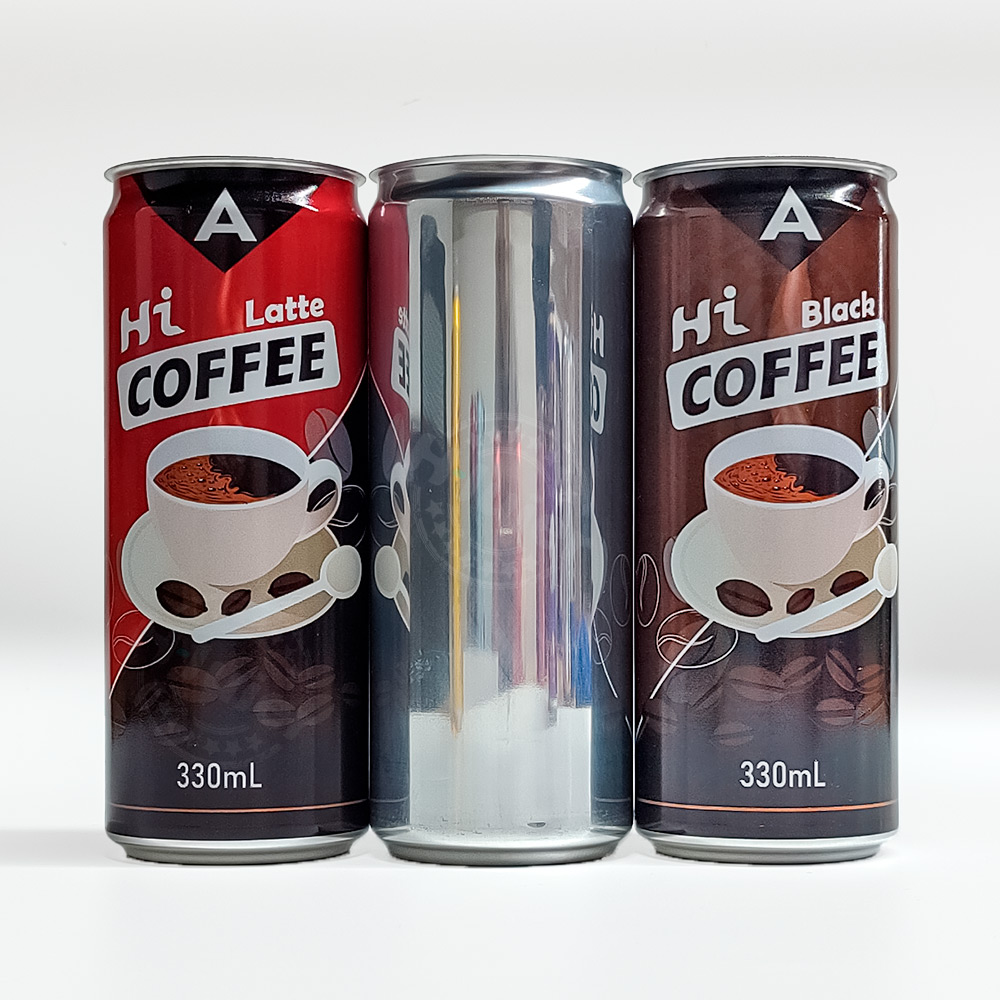
Understanding custom aluminum cans lead time requires looking past the final manufacturing stage. You must examine the entire workflow. The clock starts the moment you submit a purchase order. It stops when pallets arrive at your filling facility.
A realistic end-to-end schedule involves multiple sequential phases. If one step stalls, the entire timeline shifts backward. We can break this workflow down into five distinct steps:
Prepress Proofing: Engineers map your artwork onto a 3D cylindrical template. They check bleeds, barcode placement, and color limitations.
Cylinder Engraving: The manufacturer creates specific printing plates for your unique design.
Line Scheduling: Planners assign your run to a specific production line based on volume and format.
Printing and Curing: Machines form the metal, apply inks, and run units through high-heat curing ovens.
Transit: Pallets undergo wrapping, loading, and freight shipping to your destination.
Many buyers confuse theoretical capacity with actual availability. A plant might produce one billion units annually. However, they might still have a 12-week waitlist for new clients. This discrepancy happens because major beverage brands secure massive contract allocations months in advance. Their continuous runs eat up line availability. Spot market buyers must wait for gaps between these massive contractual runs. A high total capacity does not guarantee a quick turnaround.
Initial quotes often hide critical time sinks. Many suppliers exclude the prepress and artwork approval stages from their official lead times. Artwork approval and color matching easily take two to three weeks. These steps are mandatory prerequisites. A factory cannot slot your production without approved physical proofs. You should always ask if a quoted timeline includes prepress processes.
Your procurement strategy heavily depends on supplier selection. Not all manufacturing facilities operate the same way. Matching your volume with the correct factory type prevents massive delays.
Mega-suppliers focus on high-volume production. They offer immense capacity and highly favorable per-unit costs. However, they enforce extremely rigid schedules. Their Minimum Order Quantities (MOQs) are usually astronomical. They simply cannot accommodate frequent changeovers for emerging brands.
Conversely, agile manufacturers focus on flexibility. An OEM aluminum can partner often provides much faster onboarding. They run agile changeover lines optimized for smaller batches. This model perfectly suits mid-market brands or companies executing phased regional rollouts. They offer significantly lower MOQs.
Why do large suppliers reject small orders? The answer lies in line efficiency. High-capacity lines produce thousands of units per minute. Stopping these massive machines to swap inks or tooling costs them money. Smaller runs on high-capacity lines cause massive operational inefficiencies. Therefore, massive suppliers routinely push small orders to the back of the queue. They will prioritize a 10-million-unit continuous run over a 500,000-unit fragmented order. Choosing a specialized partner aligns their efficiency with your volume.
Your design choices directly alter the manufacturing calendar. Standardizing your packaging usually accelerates delivery. Specializing your packaging introduces mandatory technical delays.
Standard 12oz and 16oz formats represent the industry baseline. Factories run these continuously. Planners can easily squeeze standard formats into minor schedule gaps. If you need a standard size, you will find available lines relatively fast.
However, opting for a sleek aluminum can changes the equation entirely. Specialty formats require dedicated machinery or intensive tooling changeovers. Mechanics must physically swap out molds, necking tools, and conveying guides. These changeovers take hours or even days. Consequently, planners schedule specialty shapes much less frequently. You will face stricter scheduling windows.
Choosing a printed beverage can impacts your timeline just as much as the physical shape. Direct printing offers superior unit economics at high scale. However, it requires rigid upfront scheduling. The process demands specific minimum run times and complex ink curing processes. If you make an error, fixing it halts the entire line.
Alternatively, ordering blank units for shrink sleeving speeds up the initial delivery. You bypass the complex printing queues. But this shifts the labor to a secondary co-packer. The implementation reality shows that direct printing is cheaper long-term but slower upfront.
Format and Decoration Production Impacts
Format / Decoration | Setup Complexity | Typical Run Frequency | Lead Time Impact |
|---|---|---|---|
Standard (12oz/16oz) | Low - Standard Tooling | Continuous / Daily | Minimal delay |
Sleek / Slim | High - Tooling Changeover | Batched / Monthly | Moderate delay |
Direct Print | High - Prepress & Plates | Rigidly Scheduled | Significant upfront delay |
Blank (for Sleeves) | None | High Availability | Fastest delivery |
A signed contract means nothing if the manufacturer fails to deliver. You must vet their underlying systems. Assessing supply chain resilience is a primary procurement duty.
Start by auditing their raw material sourcing. Where do they buy their aluminum coil? If they rely on a single, distant geographic region, you face massive risks. Geopolitical events or shipping port strikes can halt their supply. A resilient manufacturer diversifies their aluminum coil sourcing across multiple regions. This prevents sudden production delays.
You must ensure the facility meets strict compliance standards. Check for FDA compliance, BPA-NI (Non-Intent) liners, and ISO certifications. These are non-negotiable for consumer safety. However, watch out for facilities that use compliance testing as an excuse for chronic schedule overruns. Good manufacturers bake testing buffers into their initial timelines.
Protect your brand by watching for early warning signs during evaluation. Common procurement red flags include:
Hyper-fast turnaround guarantees: If a timeline sounds too good to be true, they are likely ignoring prepress phases.
Ignoring seasonal spikes: Good reps warn you about summer beverage peaks. Bad reps pretend Q2 bottlenecks do not exist.
Vague prepress answers: If they cannot explain their proofing process clearly, expect severe delays later.
Moving from evaluation to selection requires a structured approach. You need a decision framework that maps your goals against supplier capabilities.
Compare your 12-month volume forecast against a supplier's optimal capacity. Do not pitch a 2-million-unit annual forecast to a mega-supplier who demands 5 million units per quarter. They will neglect your account. Find a mid-tier partner whose sweet spot aligns with your projections. You want to be a valued customer, not an operational nuisance.
A strong contract protects your supply chain. You should negotiate Service Level Agreements (SLAs) regarding specific delivery dates. Ask about their buffer stock holding policies. Will they warehouse an extra two weeks of inventory for you? Furthermore, always push for penalty clauses regarding delayed shipments. Manufacturers respect timelines more when delays impact their revenue.
Before signing any long-term agreement, execute these three steps:
Request a physical sample kit: Inspect their liner quality, print registration, and metal thickness.
Conduct a prepress audit: Walk through a mock artwork approval process to test their communication speed.
Request a phased timeline quote: Ask them to document the exact days required for proofing, printing, and transit.
Securing reliable packaging requires careful strategic planning. You must balance a manufacturer’s operational scale against your own brand's agility needs. Theoretical capacity means little if a supplier's MOQs and line schedules misalign with your purchasing power. Remember these core takeaways as you move forward:
Map your true annual volume to the correct tier of supplier.
Account for the hidden delays associated with prepress processes and specialty shapes.
Build contractual protections and buffer stock into your supply chain strategy.
Never accept a broad timeline quote without a detailed phase-by-phase breakdown.
Do not let packaging delays ruin your retail launch. Procurement teams should immediately request a custom capacity and lead-time assessment based on their specific annual volume and design requirements. Take control of your supply chain today.
A: For initial runs, expect a timeframe of 8 to 12 weeks. This accounts for the mandatory prepress approvals, plate creation, and initial line scheduling. Repeat orders typically move faster, averaging 4 to 8 weeks, since the artwork plates already exist and the manufacturer can slot the run more easily.
A: The beverage industry experiences massive bottlenecks during late Q1 and all of Q2. Brands ramp up production for peak summer beverage consumption. Available machine capacity shrinks dramatically during this window. Buyers spot-purchasing on the open market will face extended lead times and higher prices if they order in spring.
A: Yes. Committing to a higher volume makes your order far more attractive to line planners. Larger orders maximize machine uptime and reduce changeover inefficiencies. When you accept higher MOQs, manufacturers will often prioritize your production block over smaller, fragmented orders in their queue.
A: Absolutely. Standard formats run almost continuously in most major facilities. Manufacturers can easily slip your order into existing schedules. Sleek formats require significant physical line changeovers, including swapping out guides and tooling. Because these changeovers cause downtime, factories schedule sleek runs much less frequently.


