
Views: 0 Author: Site Editor Publish Time: 2026-10-17 Origin: Site


Commercial beverage packaging carries massive stakes for modern brands operating in competitive markets. A single supply chain disruption or packaging defect can trigger costly line stoppages, widespread product recalls, and severely diluted brand equity. Many procurement teams mistakenly focus on finding the lowest unit price when sourcing containers. They fail to evaluate supplier solvency, mechanical compatibility, and hidden operational risks threatening their production lines. Securing a reliable manufacturing partner requires a more holistic, data-driven approach to vendor selection. This article offers a standardized, evidence-based framework to guide your purchasing strategy. We will explore how to confidently vet a custom aluminum cans supplier for high-volume commercial production, ensuring your beverage brand scales safely and profitably.
Capacity vs. Flexibility: A viable supplier must prove consistent production capacity while offering adaptable Minimum Order Quantities (MOQs) for trial runs.
Technical Verification: Evaluation must prioritize verifiable metrics—such as burst pressure thresholds, seam integrity, and BPA-NI liner compliance.
Print Consistency: High-speed filling requires exact dimensional tolerances, while brand integrity demands strict color registration across massive production batches.
Risk Mitigation: Shortlisting should rely on physical sample testing (seaming trials) and deep audits of the supplier's order forecasting and inventory management systems.
Procurement teams often fall into the trap of selecting suppliers based solely on the lowest per-can quote. They ignore severe hidden costs embedded in poor reliability. High spoilage rates, delayed shipping, and excessive setup fees quickly erase any marginal upfront savings. You must look beyond initial unit pricing to gauge true operational value. A cheap container costs you exponentially more if it constantly jams your filling machinery.
Define a successful supplier relationship through rigorous, trackable performance metrics. Focus heavily on On-Time In-Full (OTIF) delivery rates. Assess consistent line-speed performance to ensure containers flow smoothly through high-speed filling equipment. You also need predictable pricing models accounting for global aluminum index fluctuations. Reliable vendors transparently link their pricing structures to established metal exchange markets.
All manufacturers experience some minor defect rate during mass production. A truly trustworthy supplier proves their value through a highly transparent quality assurance resolution process. They offer realistic replacement Service Level Agreements (SLAs) for any defective batches. We recommend prioritizing partners who openly share their defect resolution data rather than hiding behind marketing promises.
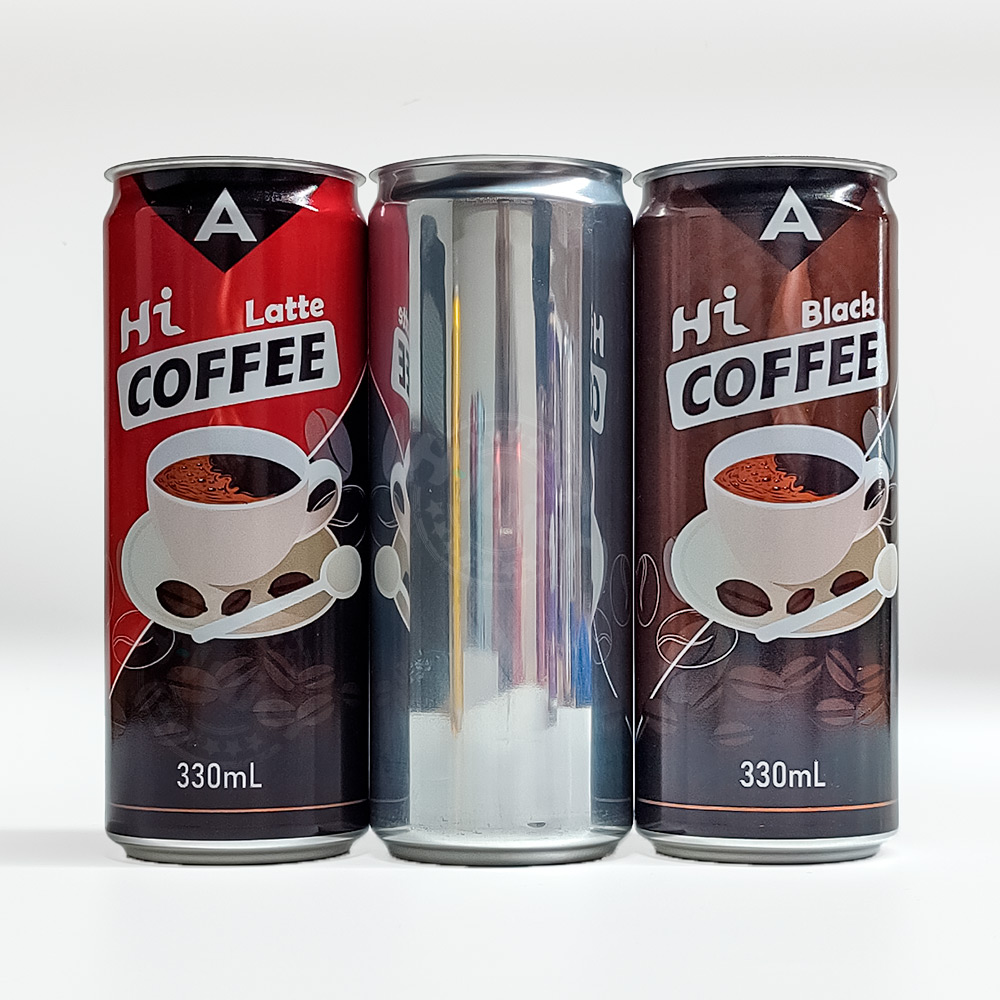
You need to evaluate a supplier's formatting flexibility early in the procurement process. A strong manufacturing partner effortlessly produces multiple sizes without excessive retooling delays. They seamlessly shift production from standard 12oz formats to the increasingly popular 12oz sleek aluminum can. Long machine changeover times severely impact your ability to execute seasonal product launches efficiently.
Finding a true OEM aluminum can partner requires investigating their technical integration capabilities deeply. They must handle proprietary tooling modifications and custom embossing requests. Their products must integrate perfectly into your existing seamer equipment. Standard 202 ends demand precise can body flanging to ensure a flawless hermetic seal on the production line.
Challenge broad vendor marketing claims touting "unlimited capacity." Always advise your procurement team to request concrete data detailing actual line utilization rates. Ask specifically about seasonal lead-time variations during peak summer months. If a factory runs at 95% capacity year-round, they lack the necessary agility to accommodate your emergency volume spikes.
Maintaining visual consistency on a cylindrical metal surface running at high production speeds remains notoriously difficult. Small variations in ink viscosity or machine vibration cause noticeable visual defects. Your brand identity relies entirely on strict visual uniformity on retail shelves. An inconsistent label erodes consumer trust immediately.
Compare traditional dry offset printing against modern digital printing methods. Dry offset printing serves as the dominant industry standard for high-volume, highly cost-effective production runs. Digital printing caters better to short trial runs or brands managing multiple unique SKUs simultaneously. Each printing technology serves a distinct strategic purpose in your packaging portfolio.
When evaluating a printed beverage can, you must outline specific QA questions for potential vendors to answer.
What are your exact color registration tolerances across a million-unit run?
How many distinct spot colors can your primary lithography presses handle simultaneously?
Do you offer advanced tactile finishes, matte UV coatings, or specialized thermochromic inks?
Never sign off on full commercial production based solely on flat paper mockups. You must request physical, curved metal proofs. These physical proofs reveal exactly how transparent inks interact over a reflective metallic substrate. They highlight potential image distortion issues around the neck and base of the cylinder.
Global supply shocks routinely disrupt beverage manufacturing schedules worldwide. Analyze exactly how potential suppliers manage their raw material sourcing strategies. Look closely at their active aluminum coil inventory levels. They must demonstrate clear, documented strategies for mitigating sudden raw material shortages or geopolitical trade disruptions.
Integrate your annual volume projections directly into the supplier's master production schedule. This tight alignment prevents catastrophic stockouts during peak consumer demand periods. Negotiate strict SLAs detailing warehousing responsibilities and safety stock minimums. A strong partner should absorb some minor inventory risk to guarantee your supply continuity.
Weighing geographic logistics heavily impacts your final purchasing decision. Consider the financial pros and cons of domestic versus overseas sourcing. Factor in fluctuating ocean freight costs and unpredictable customs clearance lead times. Remember to calculate the inherent risk of empty-can transit damage during lengthy sea freight journeys.
Table 1: Domestic vs. Overseas Sourcing Considerations
Evaluation Criteria | Domestic Suppliers | Overseas Suppliers |
|---|---|---|
Standard Lead Times | 2 to 4 weeks | 8 to 14 weeks (includes freight) |
Unit Pricing | Generally higher per unit | Highly competitive at scale |
Transit Damage Risk | Low (fewer handling touchpoints) | Moderate to High (container shifting) |
MOQ Flexibility | Often flexible for smaller trial runs | Requires high-volume commitments |
Internal coating selection directly dictates your product safety and shelf life. The internal liner must chemically match your specific liquid profile perfectly. High-acidity energy drinks, carbonated waters, and alcoholic beverages all demand entirely different liner formulations. Make accelerated shelf-life testing mandatory before finalizing any long-term supply contracts.
Detail the rigorous industry-standard QA metrics you expect vendors to pass consistently during every production run.
Chart 1: Essential Quality Assurance Testing Standards
QA Test Category | Testing Objective | Acceptable Industry Standard |
|---|---|---|
Enamel Rater (mA) | Detects micro-abrasions in internal lining | Typically < 5mA (beverage dependent) |
Burst Pressure Test | Verifies bottom dome reversal strength | > 90 PSI for carbonated beverages |
Axial Load Test | Ensures stacking strength during transit | Supports standard pallet weight without crushing |
Examine specific mechanical measurements critical to your filling lines. Flange width consistency prevents dangerous leakers during high-speed seaming operations. Proper neck dimensions ensure smooth transitions through filler star-wheels.
Look for hard evidence validating a supplier's environmental and safety claims. Ask for precise data detailing the exact percentage of post-consumer recycled aluminum content. Verify their active ISO 9001 (Quality Management) and FSSC 22000 (Food Safety) certifications. Expired or unverified certifications signal systemic operational compliance failures.
Implement a structured, phased testing methodology before awarding multi-year manufacturing contracts to any supplier.
Step 1: Request Technical Data Sheets (TDS): Demand comprehensive engineering documents immediately. Verify all dimensional specifications perfectly match your specific filling line and seamer chucks. Do not guess on mechanical tolerances.
Step 2: Order Blank Samples: Run unprinted, lined metal samples directly through your facility's seamer. You must verify mechanical compatibility and flange integrity under real-world pressure conditions.
Step 3: Conduct a Pilot Run: Negotiate a smaller-scale initial commercial order. Test print quality, delivery timelines, and actual defect rates in a live production environment. You gather crucial performance data before committing to massive annual volumes.
Sourcing commercial packaging represents a high-risk strategic decision rather than a simple transactional purchase. Minor packaging defects or unexpected supply shortages quickly paralyze your entire production operation. Brands cannot afford to halt their supply chains over a poorly manufactured container.
We strongly encourage buyers to prioritize absolute transparency, deep engineering compatibility, and robust supply chain resilience over marginal upfront cost savings. A highly resilient supplier actively protects your brand equity and ensures maximum operational uptime.
Contact your potential vendor's sales and engineering teams today for a deep-dive technical consultation. Request a comprehensive sample pack to begin rigorous seamer compatibility testing on your own production lines immediately.
A: Traditional offset printing usually requires truckload quantities exceeding 100,000 units per run to remain cost-effective. Digital printing or shrink-sleeved cans can drastically lower MOQs to a few pallet loads, typically around 20,000 units. Keep in mind lower MOQs generally result in a noticeably higher per-unit production cost.
A: Setting up a new supplier requires patience. Expect 2 to 4 weeks for initial artwork approval and physical proofing. Following approval, expect another 4 to 8 weeks for actual manufacturing. You must also factor in transit time, which varies heavily based on the supplier's geographic location.
A: Ends like standard 202 B64 or CDL profiles are often manufactured separately from the main body. Buyers must ensure the supplier provides ends strictly matching both the can body flange and the buyer's specific seaming chucks. Mismatched components cause catastrophic leaking during production.
A: You must conduct formal corrosivity testing, known as pack testing. The supplier or a third-party lab incubates the filled product at elevated temperatures. This simulates an accelerated shelf life. Technicians then check the interior for aluminum pitting, enamel breakdown, or unintended flavor degradation.


