
Views: 0 Author: Site Editor Publish Time: 2026-10-03 Origin: Site


Securing a reliable supply of custom packaging is a high-stakes procurement decision. Delays, liner failures, or printing errors directly result in spoiled inventory, missed retail launches, and damaged brand equity. Navigating custom aluminum cans sourcing requires balancing unit economics with rigid technical compliance. Many buyers focus solely on per-unit cost while ignoring landed cost and compatibility testing. This frequent oversight routinely jeopardizes otherwise successful product releases. We created this comprehensive guide to equip beverage brands and procurement teams with a practical, decision-stage framework. It helps you thoroughly audit prospective suppliers. You will learn how to identify and avoid costly production pitfalls early. Furthermore, we provide you with the evaluation tools needed to confidently shortlist reliable packaging partners. Mastering this process ensures they scale seamlessly alongside your rapidly growing business.
Validate compatibility first: Beverage pH and carbonation dictate the required internal liner (e.g., BPANI vs. Epoxy); failing to test causes product degradation.
Align MOQ with realistic scaling: Mismatched order volumes lead to either dead stock or critical supply shortages during peak demand.
Audit the true source: Distinguishing between a direct OEM aluminum can manufacturer and a third-party broker prevents communication bottlenecks and quality inconsistencies.
Calculate total landed cost: Shipping empty cans means shipping air; freight logistics often make or break the unit economics of a sourcing deal.
Buyers frequently commit to massive Minimum Order Quantities (MOQs). They often do this to secure lower unit prices. However, this strategy ties up crucial capital in unproven SKUs. Conversely, under-ordering severely limits scale during a successful product launch. You must balance these extremes. Mismatched volumes create dangerous bottlenecks.
You have different strategic options depending on your launch phase. Core product lines benefit from high-volume commitments. Limited editions require flexible agility. Evaluate your sales velocity before choosing a decoration method.
Table 1: Packaging Sourcing Strategy Comparison
Decoration Method | Typical MOQ | Unit Cost Profile | Best Use Case |
|---|---|---|---|
Direct Printing | 100,000+ units | Lowest per-unit cost | Proven core product lines |
Shrink Sleeving | 10,000 - 50,000 units | Moderate per-unit cost | Market testing, seasonal SKUs |
Blank / Brite Cans | 1 pallet (~7,000 units) | Highest (when factoring manual labels) | Pilot runs, local taprooms |
Failing to map the packaging supplier's lead times against your co-packer's schedule results in manufacturing bottlenecks. Empty cans sitting in a warehouse drain your budget. A co-packer waiting for delayed packaging charges costly idle fees. You must sync these two timelines perfectly.
Verify the exact lead time from artwork approval to delivery.
Confirm your co-packer has available storage space for early arrivals.
Stagger your MOQ deliveries across multiple weeks if space is tight.
Proactive mapping prevents these logistical nightmares. Always negotiate staggered delivery terms when placing high-volume orders.
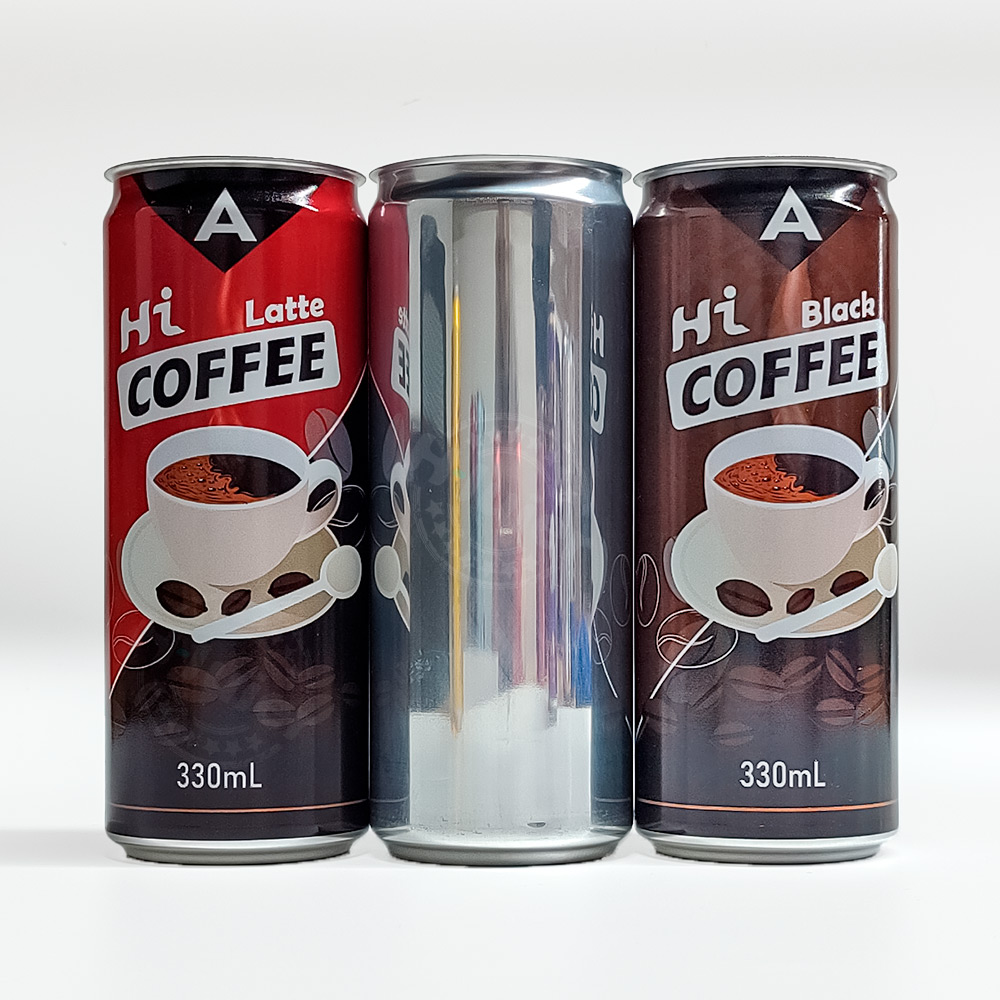
Aluminum cans are not universally compatible with all liquids. Raw aluminum reacts poorly to specific chemical profiles. Highly acidic drinks like kombucha or citrus seltzers rapidly degrade standard linings. Highly corrosive energy drinks require highly specific internal coatings. Selecting the wrong liner ruins your product.
A failed liner causes catastrophic issues. Hydrogen gas builds up inside the sealed environment. This gas causes the metal to swell or burst. Alternatively, flavor scalping occurs. The liner absorbs volatile flavor compounds from your recipe. Your carefully crafted drink suddenly tastes flat or intensely metallic.
Many brands mistakenly rely on generic supplier assurances. A salesperson claiming a liner is "food safe" is entirely insufficient. You need scientific proof. Avoid these common testing pitfalls:
Skipping rigorous 3-to-6-month accelerated shelf-life testing.
Transitioning to BPA-NI (BPA Non-Intent) liners blindly.
Failing to verify if a new formula alters the beverage's flavor profile.
BPA-NI liners behave differently than traditional epoxy. They sometimes interact with natural colorants or delicate hop profiles. You must test these variables under controlled heat and pressure.
Mandate comprehensive technical spec sheets for all proposed liners. Require sample batches explicitly for independent lab testing before signing bulk contracts. Store these sample cans in incubators. Check them at 30, 60, and 90-day intervals. Measure pH drift, carbonation retention, and sensory changes. This patience saves millions in potential recall costs.
Transitioning digital artwork to a curved, metallic canvas requires specialized prepress expertise. Colors render drastically differently on aluminum than they do on paper or computer screens. You cannot simply email a PDF and expect perfection. The physics of metal printing demand intense prepress scrutiny.
Designing for a printed beverage can involves dry offset printing. This method does not use standard CMYK layering in the same way digital printers do. Inks apply wet-on-wet. They mix slightly on the surface. Understanding this limitation dictates your final design quality.
Audit your supplier based on their printing capabilities and tolerances. High-quality vendors transparently discuss their equipment limitations.
Dot Gain & Registration: Assess the supplier's tolerance for color bleeding. Microscopic misalignments make text blurry. Ask for their maximum line screen (LPI) specifications.
Matte vs. Gloss Finishes: Understand how tactile varnishes impact production speed. Matte finishes often require slower line speeds. This adjustment occasionally increases your final unit cost.
Color Limitations: Most high-speed presses max out at six to eight distinct spot colors. Complex gradients often print poorly.
Only evaluate suppliers who provide physical, color-accurate proofs. These are commonly called drawdowns or pilot cans. Never rely exclusively on digital 3D renders. A digital render cannot replicate the reflective nature of bare metal showing through transparent inks. You must hold a physical cylinder in your hand to approve the final aesthetic.
Sourcing globally means paying to ship empty space. A shipping container full of unfiled cans is mostly air. Freight logistics fundamentally dictate the profitability of your supply chain. Ignoring dimensional variables leads to ruined pallets and blown budgets.
You must meticulously plan pallet configurations. Standard 12oz cans stack differently than thinner profiles. A sleek aluminum can configuration requires a different palletization strategy. It needs varying dunnage materials to prevent denting in transit. Thinner walls collapse easily under shifting weight.
Chart 1: Common Dimensional Sourcing Vulnerabilities
Specification Risk | Common Mistake | Financial Impact |
|---|---|---|
End Compatibility | Ordering 202 ends for a 200 body | 100% loss of inventory (unsealable) |
Pallet Height | Exceeding co-packer max height | Manual restacking labor fees |
Dunnage Quality | Using thin cardboard dividers | Crushed lower tiers during transit |
Incompatible can ends remain a catastrophic industry oversight. Ordering a 202 end (lid) for a body designed to accept a 200 end halts production entirely. The seamer cannot attach the lid. The liquid spills. The entire run fails. Always triple-check the neck diameter specifications against your co-packer's seaming tooling.
Always calculate the comprehensive landed cost. Do not look solely at the factory-gate price. Incorporate ocean freight, inland trucking, customs tariffs, and warehouse storage. Build a 2% to 3% spoilage allowance into your financial model. Denting happens during transit. You must account for this inevitable loss beforehand.
The internet is heavily flooded with trading companies posing as direct factories. Using a broker is not inherently bad. However, an undisclosed intermediary dilutes accountability when serious quality claims arise. You need direct access to the source.
When a liner fails or print registration slips, you need immediate technical support. A broker passes messages back and forth across time zones. This delay costs you valuable production days. A direct OEM aluminum can partner connects you directly with their floor engineers.
Protect your brand by conducting rigorous vendor vetting. Look past glossy websites and demand concrete documentation.
Traceability: Can they provide active ISO 9001 certifications? Do they offer FDA-compliant material declarations (DoC)? Ask for documented quality control Standard Operating Procedures (SOPs).
Direct Communication: Determine if you have access to technical engineers. If all technical questions funnel exclusively through a single sales rep, you are likely dealing with a broker.
Defect Resolution: Review their standard claims policy. Understand exactly how they reimburse you for defective units found during the filling process.
Request comprehensive virtual or physical factory tours. A genuine manufacturing partner transparently demonstrates their extrusion lines. They proudly show you their washing bays, printing presses, and lining application stations. If a supplier refuses a live video tour of their facility, remove them from your shortlist immediately.
Sourcing beverage cans is a highly complex engineering and logistics acquisition. It is never just a simple commodity purchase. Your chosen packaging fundamentally protects your recipe, advertises your brand, and secures your profit margins. Avoiding these five critical mistakes keeps your product launch on track and under budget.
Always test your liquid against the internal liner. Sync your order volumes with realistic sales forecasts. Demand physical artwork proofs before bulk production. Calculate every hidden freight fee. Finally, thoroughly audit your manufacturing partner's true capabilities. We encourage buyers to start the conversation early. Request a technical capability audit today. Order a sample kit to test liner compatibility and verify print quality firsthand.
A: Standard production takes 4 to 6 weeks. However, ocean freight and customs clearance add another 4 to 6 weeks. You should plan for an 8 to 12-week total lead time. Always buffer extra weeks for your initial order to accommodate artwork proofing and plate creation.
A: You must perform accelerated incubation testing. Send your liquid formula and empty sample cans to a certified lab. They store the filled cans at elevated temperatures (typically 90°F) for several weeks. They regularly test the liquid for pH drift, metal corrosion, and sensory flavor changes.
A: Most manufacturers require a separate MOQ for each distinct SKU. Printing different designs requires stopping the press, washing the ink, and changing the metal printing plates. Some suppliers allow multi-SKU mixing, but they will charge you steep plate-change fees for every artwork swap.
A: Standard and sleek profiles have different diameters and wall thicknesses. Sleek profiles require specialized seaming tooling at the co-packing facility. They also change your pallet density. You fit more sleek units per layer, which subtly alters your warehouse space requirements and unit freight economics.


