
Views: 0 Author: Site Editor Publish Time: 2026-10-04 Origin: Site


The Ready-to-Drink (RTD) market is maturing at a rapid pace. Packaging choices directly impact brand viability, profit margins, and shelf life. You cannot treat packaging as a mere design aesthetic. We must view this decision as a critical supply chain and product integrity calculation. Poor packaging threatens beverage quality before the liquid ever reaches consumers. If you choose the wrong format, you risk flavor degradation and reduced carbonation.
The commercial and scientific advantages of aluminum remain undeniable. This guide explores why aluminum has become the default standard for the hard seltzer category. You will learn how modern canning technology protects delicate flavor profiles. We also break down the logistical efficiencies driving profit margins higher. By understanding these core principles, you can confidently build a scalable distribution strategy.
Product Integrity: Aluminum provides an absolute barrier against oxygen and UV light, preserving delicate hard seltzer flavor profiles and carbonation.
Margin Expansion: Superior pack-out efficiency and lower freight weights compared to glass drastically reduce per-unit shipping costs.
Market Access: Aluminum unlocks venue distribution (pools, stadiums, beaches) where glass and plastic are prohibited or penalized.
Scalability: Modern custom packaging solutions allow brands to scale from low-MOQ sleeved cans to high-volume printed cans as demand dictates.
RTD brands face incredibly saturated retail shelves today. Packaging must instantly communicate high quality to passing shoppers. It must also protect volatile, highly carbonated liquids safely during transit. hard seltzer cans accomplish this perfectly. Brands use them to stand out quickly in crowded cooler doors. When you launch a new beverage, the physical container acts as your first marketing touchpoint. It needs to look flawless while functioning as a protective vault.
Consumers show a strong, undeniable shift away from single-use plastics. This behavioral shift aligns closely with rising eco-anxiety across major demographics. Shoppers now associate canned formats with premium product experiences. They view aluminum as a cleaner, more responsible choice. A few years ago, consumers might have accepted plastic bottles for mixed drinks. Today, they actively avoid them in favor of easily recyclable metals.
Consumers expect seltzers to come in aluminum as a basic category standard. If you deviate to glass or plastic, you introduce immediate consumer friction. Unfamiliar packaging generates skepticism on the retail shelf. Buyers wonder why a brand chose an unconventional format for a classic summer drink. Sticking to expected industry norms builds immediate trust. It allows consumers to focus on your unique flavor profiles rather than questioning your container choice.
Aluminum blocks 100 percent of harmful UV light. It provides a complete, 360-degree shield for the liquid inside. This barrier prevents the infamous "skunking" effect often seen in clear glass bottles. Light exposure alters the chemical structure of natural ingredients. Aluminum also stops oxidation dead in its tracks. Oxidation destroys the natural fruit extracts and essential oils used in seltzers. carbonated beverage cans preserve these delicate flavor notes beautifully from the brewery to the beach.
Hard seltzers require exceptionally high volumes of dissolved carbon dioxide. Hermetic double-seam seals hold this intense pressure safely. Glass crown caps often micro-leak gas over extended periods. Plastic threads stretch under carbonation pressure, slowly flattening the beverage. Double-seaming physics ensure maximum carbonation retention over long shelf lives. The seaming process rolls the can body and lid together tightly. It forms an impenetrable mechanical lock.
Many consumers still worry about a lingering "metallic taste." This is a completely debunked historical myth. Modern manufacturing uses advanced BPA-NI (BPA non-intent) epoxy and polymer liners. These food-grade liners safely separate acidic seltzer from the raw metal. The liquid never actually touches the aluminum wall. This invisible barrier guarantees pure flavor. It protects consumer health while maintaining strict regulatory compliance.
Empty glass bottles weigh roughly 150g to 200g each. An empty aluminum can weighs only 10g to 15g. This massive weight difference translates directly into massive fuel savings. Trucks often hit legal weight limits long before they fill their cubic capacity. When you ship glass, you pay primarily to transport heavy, empty packaging. Lighter packaging means you can ship significantly more actual liquid per truckload.
Cylindrical cans nest together incredibly well. This geometric advantage significantly boosts product density per pallet. High pack-out density lowers your per-unit shipping costs dramatically. You can fit thousands more cans onto a single truck compared to glass bottles. This space efficiency reduces the total number of shipments required. Fewer shipments mean lower carbon emissions and fatter profit margins.
Transit damage destroys fragile profit margins rapidly. Glass bottles shatter during rough transport or minor warehouse accidents. One broken glass bottle can contaminate an entire pallet. It creates sticky messes and dangerous safety hazards. Aluminum simply dents under similar physical stress. A dented can might not look perfect, but it rarely leaks. You save entire pallets from total loss and costly warehouse cleanup labor.
Metric | Glass Bottles | Aluminum Cans |
|---|---|---|
Empty Container Weight | 150g - 200g | 10g - 15g |
Light Blocking | Poor (Clear) to Moderate (Amber) | 100% Absolute Barrier |
Breakage Risk | High (Shatters) | Low (Dents) |
Pack-Out Density | Low (Thick walls limit volume) | Very High (Thin walls maximize volume) |
Aluminum recycles infinitely. It never loses its structural quality or purity during the melting process. Plastics suffer from severe down-cycling. Polymer chains break down slightly every time they melt. Eventually, recycled plastic becomes unusable waste. Consumers heavily favor aluminum cans for hard seltzer for this eco-friendly reality. They feel good about buying materials they know will actually get repurposed.
The aluminum recycling timeline moves incredibly fast. An empty can often returns to a retail shelf in just 60 days. This rapid closed-loop metric sets the highest industry standard for sustainability. Consumers discard the can, facilities melt it down, and manufacturers roll new coils. Breweries then fill those brand new cans. This efficient circular economy minimizes reliance on newly mined resources.
Sustainability heavily unlocks new distribution channels. Stadiums, commercial airlines, and beach resorts strictly mandate aluminum. They completely prohibit glass due to safety hazards like broken shards. Barefoot zones cannot risk shattered glass near swimming pools. Aluminum guarantees compliance with localized safety mandates. It opens lucrative doors to captive-audience venues where profit margins are exceptionally high.
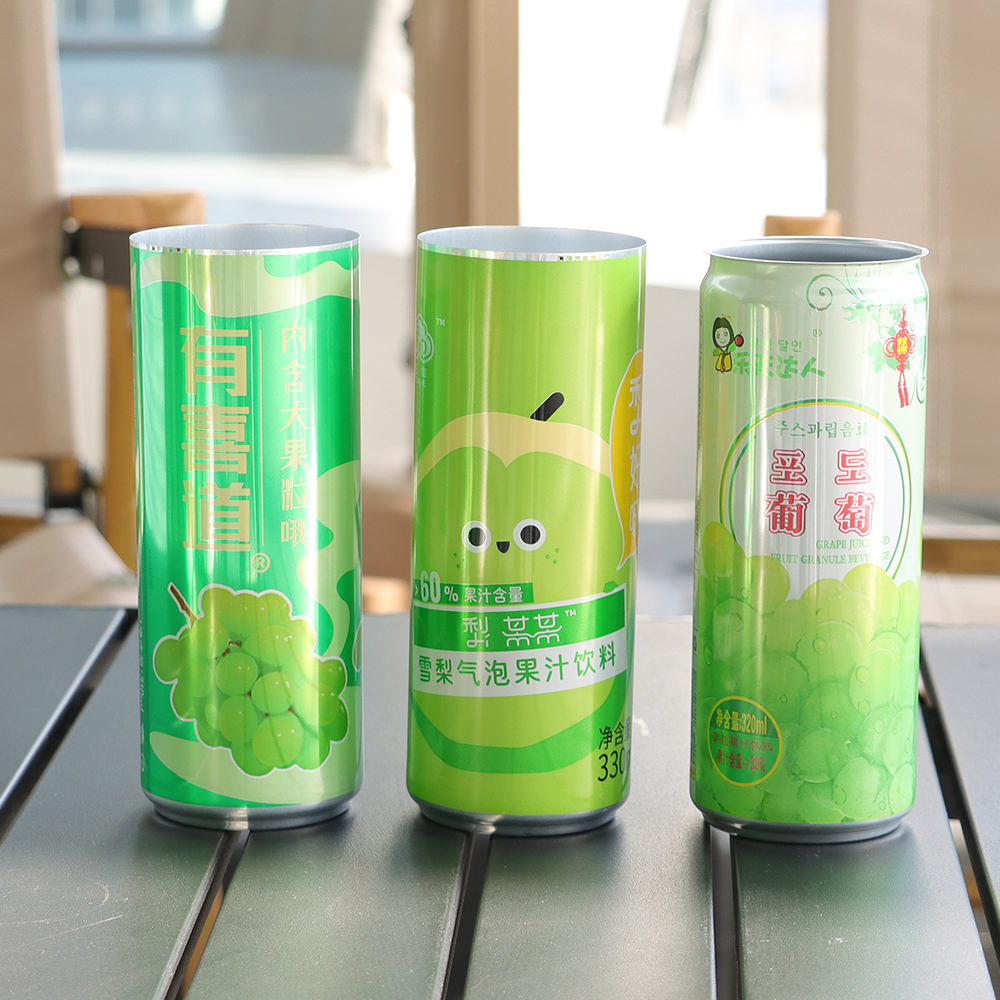
You must choose carefully between standard 12oz cans and sleek aluminum cans. Standard cans feel highly approachable and cost-effective. They work well for craft beer crossover brands. Sleek cans communicate a low-calorie, premium, health-conscious brand positioning. The taller, narrower profile visually mimics a slimmer lifestyle. This acts as a powerful subconscious psychological cue for calorie-conscious seltzer drinkers.
Your custom beverage packaging strategy should evolve naturally as your brand grows. Startups and enterprise brands utilize entirely different labeling solutions based on their immediate capital.
Phase 1 (Agile Testing): Use shrink sleeves and pressure-sensitive labels. These solutions are ideal for agile market testing. They offer much shorter lead times and significantly lower upfront costs. You can test multiple flavors without committing to massive inventories.
Phase 2 (Scaling Up): Transition to direct-to-can printing. This method requires much higher minimum order quantities (MOQs). However, it yields the absolute lowest per-unit cost. Printed cans also provide maximum aesthetic durability, resisting scratches in wet coolers.
Physical retail shelves require distinct standout features. Matte coatings create a highly premium feel in the consumer's hand. Tactile inks add physical texture to the can surface. These subtle sensory details drive consumer conversion at the critical point of sale. When a can feels expensive, the liquid inside tastes better to the buyer.
Macro market shifts constantly affect aluminum availability. Post-pandemic demand has largely stabilized across the industry. However, supply chain agility remains critical for independent beverage brands. You must stay aware of global aluminum pricing fluctuations. Do not assume your primary supplier will always have endless capacity during peak summer brewing seasons.
Evaluating co-packers and packaging suppliers requires strict discipline. Here are the crucial metrics you must monitor closely:
Audit Lead Times: Ensure the supplier can deliver cans before your critical brewing dates. Delays ruin production schedules.
Verify Minimum Order Quantities (MOQs): Match the MOQ to your realistic sales forecasts. Over-ordering ties up precious working capital.
Assess Warehousing Fees: Empty cans take up massive amounts of physical space. Hidden storage fees can quickly consume your profit margins.
You need highly accurate demand forecasting. Small brands must balance the low unit cost of large-run printed cans carefully. You must weigh this against the cash-flow flexibility of shrink-sleeved cans. Do not lock up all your capital in empty printed cans prematurely. If a flavor fails in the market, those specific printed cans become entirely obsolete inventory.
Choosing aluminum acts as a crucial risk-mitigation strategy for modern beverage brands. It guarantees superior product quality by blocking light and retaining carbonation perfectly. It simplifies complex logistics by reducing freight weights and eliminating costly breakage. Most importantly, it maximizes your market access into premium venues.
Decision-makers must audit their immediate volume needs first. Evaluate your target distribution venues carefully. Calculate your required profit margins before selecting a specific can format. Sleek cans might cost slightly more initially, but they often command a higher retail price point.
Take the next step to optimize your packaging strategy today. Request a detailed pricing quote from a verified packaging supplier. Order a physical sample kit to test label quality in your own hands. Speak directly with a packaging specialist to map out your production lead times effectively.
A: No. Modern cans utilize advanced food-grade polymer liners known as BPA-NI. These liners create a completely safe barrier. They prevent the liquid from ever interacting directly with the metal. Your seltzer retains its pure, intended flavor profile perfectly.
A: Printed cans typically require a full truckload. This usually ranges from 100k to 200k units minimum. If you need smaller batches, shrink-sleeved cans are an excellent alternative. You can source sleeved cans in quantities as low as a few thousand units.
A: Sleek cans visually mimic the core value proposition of hard seltzers. They look slim, feel lighter, and represent lower calories. This acts as a powerful subconscious psychological cue. It tells the consumer they are making a healthier, premium beverage choice.
A: Yes. Aluminum weighs significantly less than glass, drastically reducing transport emissions. It also boasts much higher global recycling rates. Raw aluminum extraction is energy-intensive initially. However, the recycled aluminum lifecycle requires 95% less energy to produce new cans.


