Views: 0 Author: Site Editor Publish Time: 2026-06-25 Origin: Site


Developing a high-quality beverage is only the preliminary step for product launch. The core of large-scale formula production lies in a sound packaging solution. Brands need to simultaneously balance profitability, product integrity and brand image. For private-label/OEM white-label brands, packaging flaws can easily derail new product launches. Common pain points include excessively high minimum order quantities, poor chemical compatibility between internal can linings and beverage contents, which further lead to delayed production schedules and scrapping of deteriorated drinks.
This guide systematically sorts out core technical and commercial factors for aluminum beverage can procurement, covering three key modules: can specifications, decorative processes and supplier vetting. It helps brands avoid risks in delivery, quality and cost, and select packaging solutions aligned with brand positioning and mass production requirements.
Can shape shapes market perception: standard cans, tall slim cans and super slim cans correspond to different beverage categories and directly guide consumers’ perceived product positioning.
MOQ dictates decorative process options: direct can printing requires an MOQ of over 300,000 cans, ideal for mass production; blank aluminum cans with shrink sleeves have an MOQ of 100,000 cans, offering greater flexibility for new product trial sales.
Coating compatibility is the bottom line for quality: although aluminum cans are infinitely recyclable, high-acidity and high-carbonation beverages must use dedicated BPA-NI bisphenol A-free internal coatings to prevent can corrosion and beverage spoilage.
Logistics location directly impacts profit margins: empty cans incur extremely high transportation costs. Prioritizing suppliers located close to co-packing/filling manufacturers is critical for cost control and profit preservation.
Compared with glass bottles and plastic bottles, aluminum cans deliver comprehensive strengths in shelf display, supply chain efficiency and environmental compliance, making them the optimal choice for mass-produced private-label drinks. Nevertheless, they carry certain supply chain risks.
Superior shelf presentation: 360° seamless curved surface full-body printing eliminates extra label application, delivering premium visual texture and strong shelf standout to elevate brand tier instantly.
Supply chain cost efficiency: lightweight can bodies slash freight expenses, with excellent stacking performance and high pallet utilization to reduce delivery trips and boost overall profit margins.
Environmental compliance qualification: aluminum can be recycled infinitely without material loss, meeting current consumer eco-friendly preferences and supermarket ESG access standards, while avoiding compliance risks associated with plastic packaging.
Aluminum prices fluctuate drastically with commodity market cycles. During peak summer beverage seasons, supply chains tighten and lead times may double. Brands must secure alternative suppliers in advance to prevent production line shutdowns caused by single-source dependency.
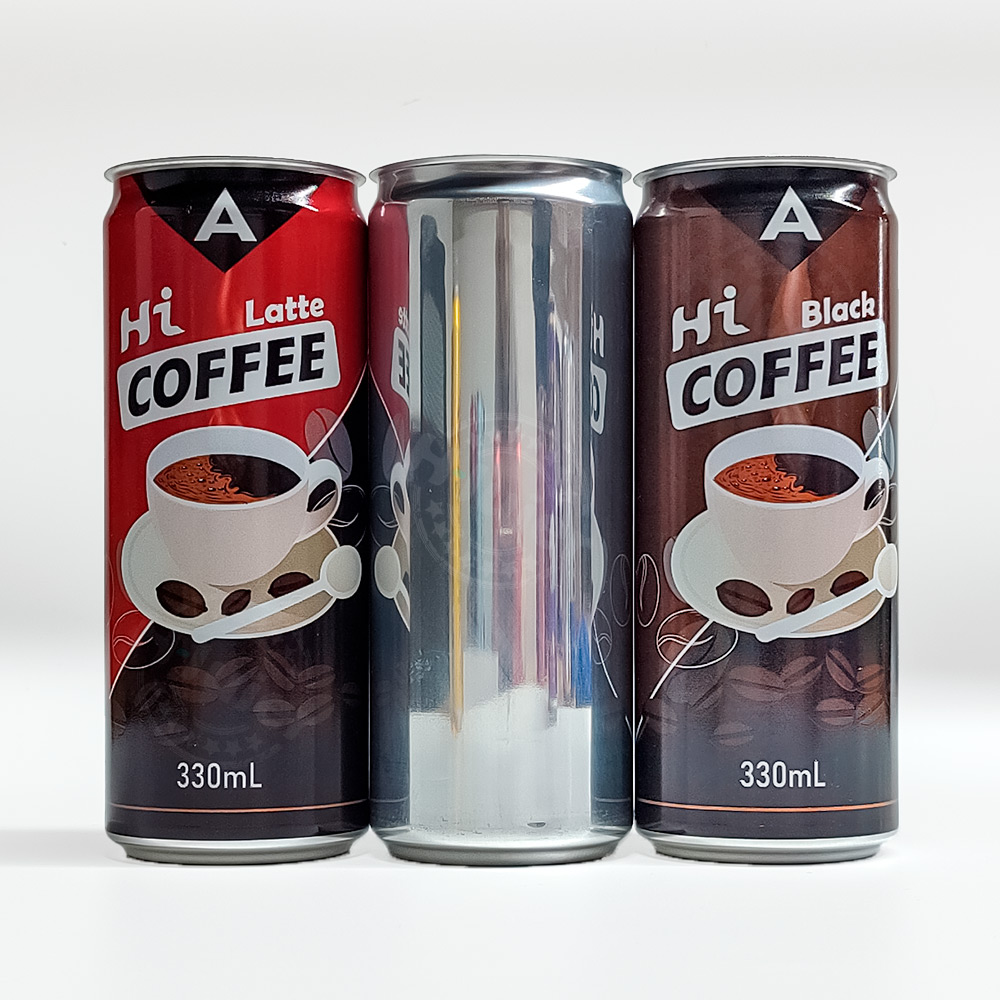
Can profile directly defines product positioning. Selection must match both beverage categories and filling line equipment to avoid excessive mold replacement costs and operational malfunctions.
Can Type | Common Volume | Suitable Beverages | Compatibility with Co-packing Factories |
|---|---|---|---|
Standard Can | 355ml / 473ml | Craft beer, soda, kombucha | Universally compatible across the industry, no mold modification required |
Tall Slim Can | 355ml | Hard seltzer, RTD cocktails, premium iced tea | Widely adaptable; only minor seaming parameter adjustments needed |
Super Slim Mini Can | 250ml | Energy drinks, concentrated coffee, concentrated functional beverages | Requires dedicated filling production lines |
Standard cans fit 202-size can ends, while tall slim cans and super slim cans use 200-size can ends. Non-standard custom cans involve high mold change costs and are often rejected by manufacturers for small-batch orders. Equipment compatibility must be fully confirmed before mass production.
Decoration processes determine launch timeline, upfront investment and visual quality. Brands can make flexible choices based on new product testing or stable mass production phases.
Direct Can Printing Lowest unit cost for large-batch mass production. Ink is directly cured onto the can body for high-end finish and 100% full recyclability.
Blank Can with Shrink Sleeve Top option for new product trial sales, with a 100,000-can MOQ. Supports fast iteration of multiple SKUs and seasonal flavor launches with outstanding flexibility.
Adhesive Sticker Labels Lowest threshold for small-batch trial runs, fit for limited-edition niche products and local small-volume releases.
Use shrink sleeves for unproven new products for market testing; upgrade to direct can printing once sales stabilize to cut unit costs and lift profitability.
Bare aluminum chemically reacts with beverage contents, causing can corrosion, flavor degradation and quality defects. Therefore, internal coating formulation and can structure must align with beverage properties as non-negotiable mass production quality safeguards.
Necessity of Internal Coatings: Food-grade polymer inner coatings isolate aluminum from liquids to stop rusting, off-flavors, pinhole leakage and large-scale quality failures. The industry’s compliant standard is BPA-NI bisphenol A-free coating, which passes regulatory audits and supermarket entry requirements.
Acidity Matching Rules: Low-corrosion liquids such as purified water, light tea and beer work with standard BPA-NI coatings. Highly acidic products including kombucha, canned wine and citrus-based energy drinks carry extreme corrosion risks and must adopt upgraded thickened second-generation high-performance coatings to prevent leakage and deterioration.
Structural Requirement for Carbonated Drinks: High-carbonation beverages generate high internal pressure, requiring thickened aluminum sheets and anti-bulge arched can bottoms to avoid deformation or bursting. Exact carbonation parameters must be provided to suppliers when placing orders.
Beverage Category | pH Range | Corrosion Risk Level | Recommended Coating |
|---|---|---|---|
Purified Water / Light Tea | 6.0–7.5 | Low | Standard BPA-NI Coating |
Craft Beer | 4.0–4.5 | Medium | Standard BPA-NI Coating |
Kombucha / Canned Wine | 2.5–3.5 | Extremely High | Thickened 2nd-Gen BPA-NI Coating |
Citrus Energy Drinks | 2.8–3.4 | High | Thickened BPA-NI Coating |
Supplier capability directly governs production stability and finished product quality. Selection should never rely solely on unit price; comprehensive checks covering location, service, quality inspection and component compatibility are required.
Warehousing & Delivery: Prefer vendors offering consignment storage and JIT (Just-In-Time) on-demand delivery to save your own warehouse space and working capital for flexible production scheduling.
Quality Inspection Standards: Request official AQL (Acceptable Quality Level) documents before cooperation, and clarify compensation clauses for defects such as scratches, dents and printing deviations. Reject vague verbal quality commitments.
Component Matching: Source can bodies and can ends from the same manufacturer to guarantee matched seaming parameters, eliminating seal failure risks that lead to beverage oxidation and spoilage.
Packaging selection requires balanced consideration of brand aesthetics, mass production costs and operational feasibility. Blind pursuit of premium processes may be hampered by high MOQs, excessive freight fees and incompatible coatings, eventually stalling the whole project.
For untested new items:Low-risk market trial and data collection. After sales performance proves stable, switch to direct can printing to reduce unit costs and improve revenue. In addition, complete beverage corrosion compatibility testing before formula finalization, and request physical samples and technical solutions from suppliers in advance to eliminate mass quality incidents at the source and protect brand reputation.
Q1: How to choose the right aluminum can type according to beverage categories?
A1: Standard 355ml/473ml cans are universally applicable to mainstream beverages such as soda, craft beer and kombucha with the lowest cost and zero mold adjustment. The 355ml tall slim cans are suitable for premium products like RTD cocktails and hard seltzers to present a low-calorie, high-end brand image. The 250ml super slim mini cans match concentrated coffee and energy drinks, requiring dedicated filling lines for production.
Q2: What supply chain risks should brands avoid in aluminum can mass production?
A2: Aluminum prices are affected by commodity market fluctuations, and summer beverage peak seasons will lead to tight supply and doubled delivery cycles. In addition, single-source supplier dependency may cause production shutdowns. Brands need to reserve alternative suppliers in advance, confirm equipment compatibility before mass production, and complete beverage corrosion tests to avoid batch quality losses and delivery delays.
Q3: Why do high-acid beverages need upgraded thickened can coatings?
A3: High-acid beverages (pH 2.5–3.5) such as kombucha, canned wine and citrus energy drinks have strong chemical corrosion properties. Standard BPA-NI coatings cannot resist long-term acid erosion, which may cause hidden pinhole leakage, can body corrosion and beverage deterioration. The upgraded thickened second-generation BPA-NI coating can effectively isolate acidic liquids and ensure long-term product quality stability.
Q4: What are the key standards for screening qualified aluminum can OEM suppliers?
A4: First, select vendors providing on-demand delivery and warehousing services to reduce capital and warehouse pressure. Second, confirm complete AQL quality inspection documents and clear defect compensation clauses to avoid ambiguous quality commitments. Finally, unify the manufacturer of can bodies and can ends to ensure matching seaming parameters and prevent sealing failure.